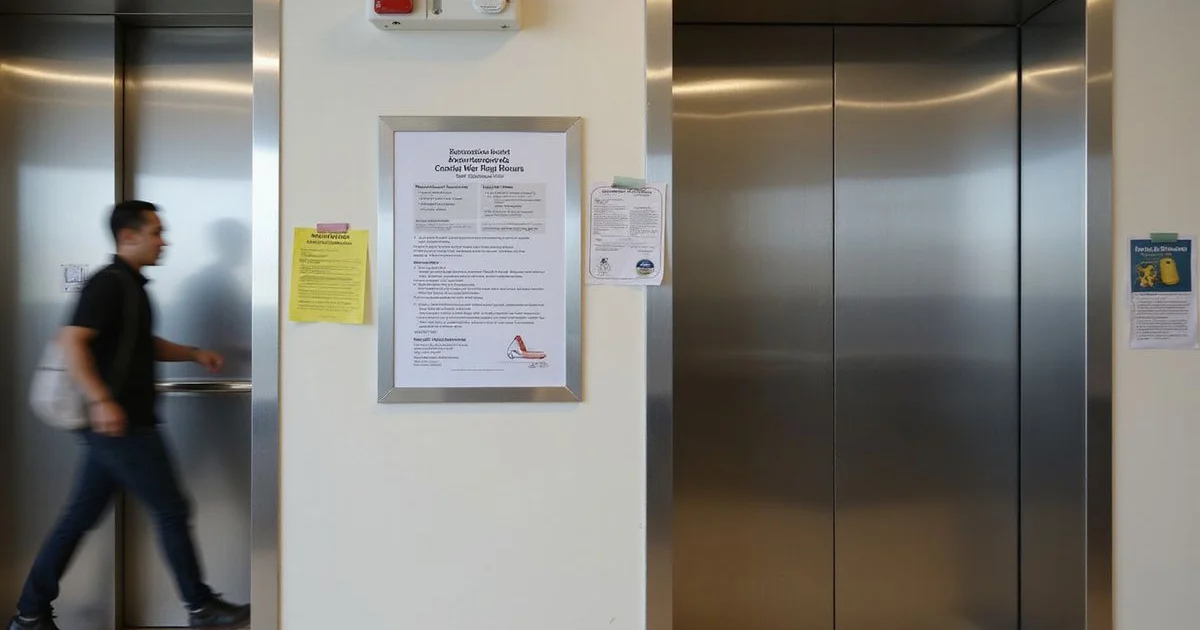
Your unit, the building’s rules
Most condo owners find out the hard way that a small plumbing job can turn into a building matter. If you’ve only owned a landed house before, this is the big change.
Your unit’s plumbing connects to shared risers, stacks and tanks. Noise, debris, water shut-offs and leaks can all reach your neighbours.
That’s why most buildings set house rules for plumbing and renovation. Under the Strata Management Act 2013, the JMB or management corporation can make by-laws on this.
So the short answer on condo plumbing work management approval is: simple like-for-like swaps usually need none, but hacking, moving pipes and riser shut-offs do. We’ll cover what needs approval, what doesn’t, and how to prepare. House rules vary, so always confirm with your own management.
This guide is part of our Condo and Strata Leaks section.
In-unit pipes versus common pipes
The first question is whose pipe the work touches. Your side of the unit valve is usually yours, and everything shared is management’s.
| Pipe or fitting | Usually belongs to | Approval? |
|---|---|---|
| Taps, mixers, toilets, basins, heaters inside your unit | You | Usually not, for like-for-like replacement |
| Pipes inside your unit after your unit valve | You | Depends on house rules, especially if hacking is needed |
| Your unit valve and meter | Check with management | Ask before work |
| Risers, stacks and main pipes | Common property | Management handles it |
| Roof tanks, pumps, plant rooms | Common property | Management handles it |
In high-rise buildings, building management looks after the shared tanks and main pipes. The owner looks after pipes inside the unit.
Your sale and purchase agreement and the building’s by-laws are the final word on boundaries. Ask the management office for a copy if you’ve never seen them.
Work that usually needs approval or notice
Anything that makes noise, creates debris or touches shared pipes usually needs a yes from management first. This is the heart of condo renovation plumbing permission.
- Hacking walls or floors to reach or move pipes
- Bathroom renovation, including re-waterproofing
- Moving or adding fixtures, such as a new sink position
- Anything needing the riser shut off
- Installing a booster pump inside the unit
- Changing a water heater if it needs new wiring, or work that produces debris that must be carried out through common areas
Many buildings want this in writing, on their own form. A verbal “okay” from the guard house won’t protect you if a dispute comes up later.
Work that usually does not
Like-for-like swaps inside your unit rarely need approval. If nothing gets hacked and no shared pipe is touched, you can normally go ahead.
- Changing a tap, shower head or toilet seat
- Replacing a flexible hose or angle valve
- Clearing a blocked sink or floor trap within your unit
- Replacing a cistern part
Even for small jobs, your plumber may need to register at the guard house to get in. Tell the guard house in advance so your plumber isn’t turned away at the gate.
Shutting the riser
Only building management can close the riser. Your unit valve shuts water to your unit, but if a repair needs water cut further up, such as replacing the unit valve itself, management has to do it.
That affects other units. Management usually needs notice and may schedule the shut-off at a quiet time of day.
Ask how much notice they want. Some buildings put up a notice for the affected floors, so a few days’ warning is a sensible starting point.
Contractor access rules
Most buildings set clear rules for contractors, and they’re the core of contractor access condo requirements. Expect these:
- Registration at the guard house or management office
- Working hours, often weekdays during the day, with no noisy work on weekends or public holidays
- Use of the service lift for materials and debris, not the passenger lift
- Debris disposal by the contractor, not in the building’s rubbish chutes
- Protection of common areas such as lift walls and corridors
The exact hours differ from one building to the next. Check your own house rules before you book a date.

Deposits
Yes, some buildings ask for a renovation deposit, usually for hacking or major changes. It’s refunded after management checks that common areas weren’t damaged.
Property sites such as SAYS report that residential deposits often fall between RM500 and RM2,000. Your building sets its own figure, so ask:
- Is a deposit needed for this job?
- How much, and how is it refunded?
- What forms need to be filled in?
Take photos of the lift, corridor and lobby before work starts. They make the refund check much smoother if there’s any doubt about damage.
Why it matters
Skipping approval can cost you far more than the time it saves. Three reasons stand out:
- Leaks affect neighbours. A poorly done bathroom job can leak into the unit below. If it does, the inter-floor leak process may find you responsible. Our guide on the condo leak process and Form 28 explains how.
- Shared pipes are not yours to change. Work on them without approval can cause problems for the whole stack.
- Rules protect you too. Contractor registration helps building security.
Hiring for condo work
Choose a plumber who already knows condo rules. They’ll know to register at the guard house, book the service lift and keep noise within allowed hours.
Check their SPAN permit for mains-fed work. Plumbing connected to the public water supply falls under the Water Services Industry Act 2006 and its 2014 plumbing rules, so a permit holder is the right person for it. Our hiring checklist covers what to ask.
A simple pre-work checklist
Run through these steps before the plumber’s visit:
- Ask management whether the job needs approval, a form or a deposit.
- Confirm the allowed working hours and days.
- Register the plumber’s name, vehicle and visit date at the guard house.
- Book the service lift if materials or debris will be moved.
- Tell your immediate neighbours if there will be noise or a water shut-off.
- Clear the work area inside your unit, protect your floors, and keep management’s approval, if any, where the plumber can show it.
Confirm with management
Always check with management before you book anything beyond the simplest repair. House rules differ between buildings, and they can change.
Ask what approval, forms, hours and deposits apply to your condo plumbing work management approval. This guide is general information, not legal advice.
When to call a plumber
Call a plumber once you know what the building requires. Share the house rules with them before the visit, so they arrive at the right time with the right registration.
If the job needs the riser shut off, agree a date with building management first. Then book your plumber for that slot.