Why water cuts matter for home plumbing
Water cuts are a normal part of life in the Klang Valley. Some are planned, when Air Selangor carries out scheduled maintenance. Others are sudden, when a main bursts. Either way, a cut affects more than whether your tap runs. It changes how your roof tank, booster pump and water heater behave, and the first water to come back is often cloudy or brown. This start-here page in our home plumbing guide for KL homes covers what to do before, during and after a water cut. For more on storage, see the Water Tanks section.
Before a planned water cut
When you see a notice for your area:
- Check the dates and times on Air Selangor’s official channels. Note when supply is expected to return, and allow for delays.
- Check your tank level if you have a roof tank. A full tank may carry a small household through a short cut.
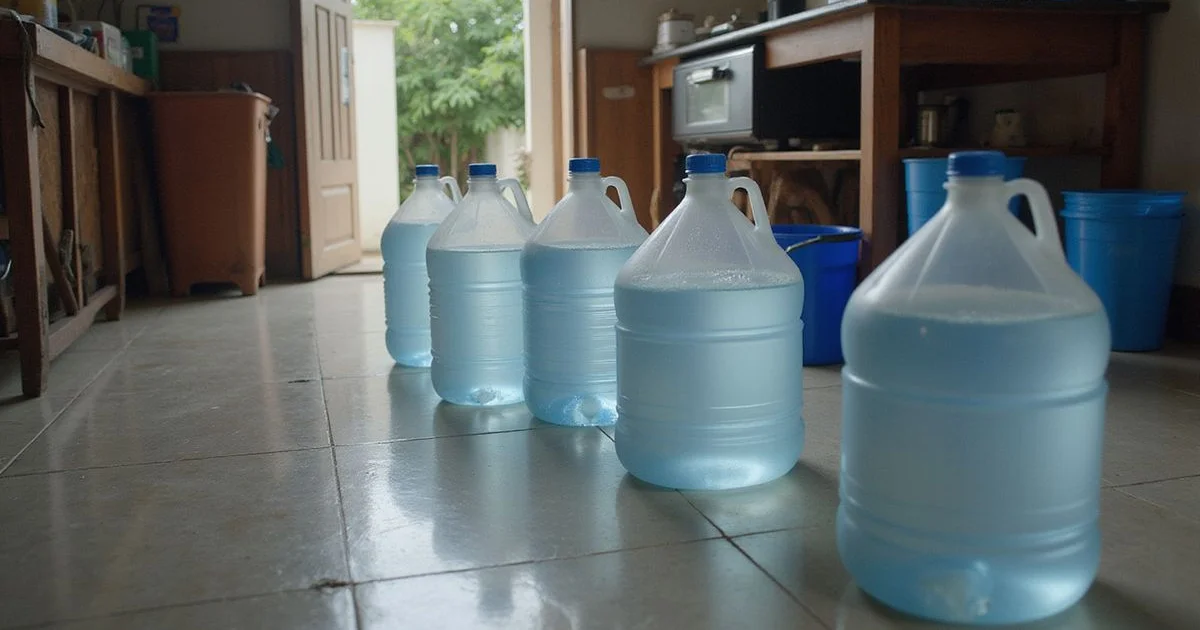
- Store drinking and cooking water in clean containers with lids. Keep it apart from water for flushing and cleaning.
- Fill pails for flushing. A pail of water poured into the bowl will flush a toilet when the cistern is empty.
- Plan your heater and pump use. Decide when you will switch them off so you are not caught out.
In a condo unit, building management runs the shared tanks and pumps. Ask the management office how long the building’s storage usually lasts and whether they plan to ration supply to some hours.
During the cut
Booster pump. A pump that runs with no water can be damaged quickly. If your tank or supply may run dry, switch the pump off. The Water Pumps section explains dry running in more detail.
Water heater. Switch it off. Instant heaters need steady flow to heat safely. Storage heaters should not run if their tank may empty.
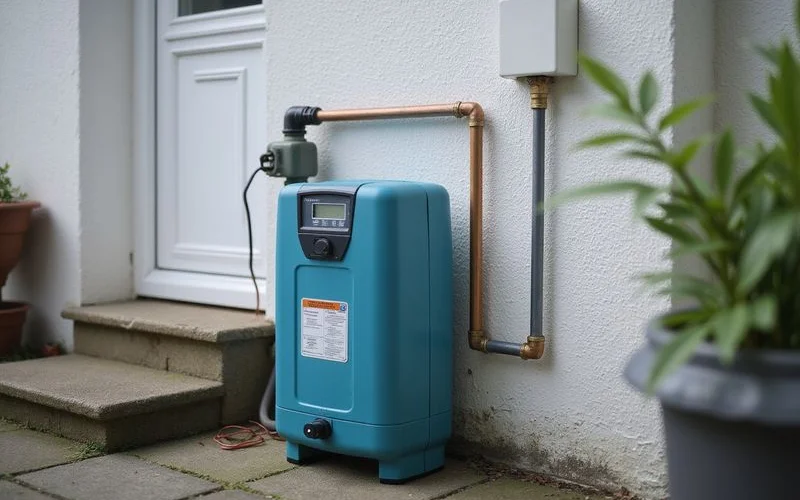
Roof tank. The tank keeps feeding taps until it is empty. Use the stored water for essentials first. If you have a tank, keep its outlet valve open so you can use the stored water, unless you are trying to save it.
Taps. Close any taps that were left open when the water stopped. Otherwise water will run unattended when supply returns.
After the supply comes back
The mains refills under pressure, and that stirs up sediment and pushes air through the pipes. Expect a few minutes of noise and spluttering. If a pipe or fitting starts leaking once pressure returns, close the supply as shown in How to Turn Off Your Main Water Supply.
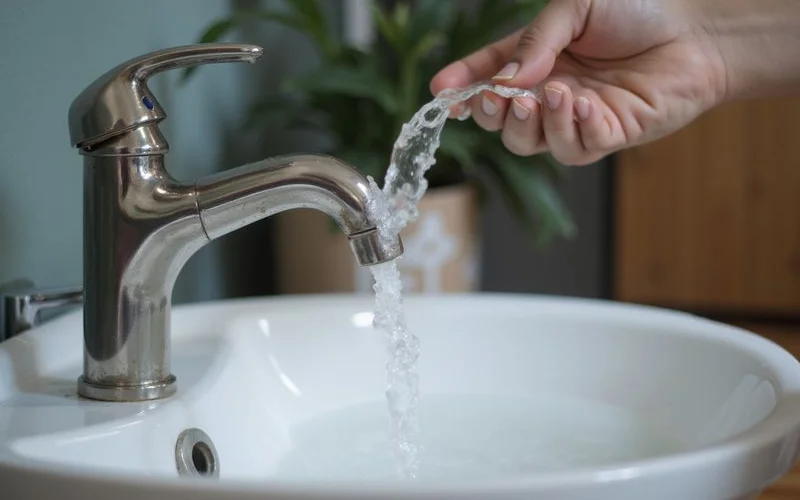
- Run a cold tap on the ground floor first, ideally the kitchen tap fed straight from the mains. Let it run until the water is clear.
- Expect air. Taps may cough and spit for a while. Open taps one at a time to let the air out.
- Wait before using the heater. Switch it back on only when water flows steadily through it.
- Turn the pump back on once the tank or supply has water again.
- Check toilets. Sediment can lodge in the cistern’s fill valve and stop it refilling properly. Read Toilet Not Refilling After a Flush if that happens.
Brown water that will not clear
Short-lived brown water after a cut is common. If it lasts, appears at every tap, or affects your neighbours too, contact Air Selangor. If only your house is affected and it keeps coming back, older galvanised iron pipes may be the cause.
Storing water safely
Stored water is only useful if it stays clean. A few simple habits help:
- Use clean containers with lids. Food-grade containers are best for drinking water. Keep them out of direct sun.
- Label them. Keep drinking water separate from water for flushing, mopping and washing.
- Use stored drinking water within a day or two, or boil it before drinking if it has been standing longer.
- Do not store water in open pails for days. Standing water can breed mosquitoes, which is a real concern in the Klang Valley.
| Use | How to store it | Notes |
|---|---|---|
| Drinking and cooking | Clean, lidded food-grade containers | Use within a day or two |
| Flushing toilets | Pails or a filled bathtub | Pour into the bowl to flush |
| Washing and cleaning | Pails with covers | Empty after supply returns |
Low pressure afterwards
Pressure is often weak for a while after supply returns, as the network refills and everyone in the area runs their taps at once. In most cases it recovers within hours.
If it does not recover:
- Landed house: check that your stopcock and tank valves are fully open, clean the aerators on weak taps, and look at whether the pump has lost its prime. A pump full of air can run without moving water.
- Condo unit: ask building management whether the building’s pumps and tanks are back to normal before you look inside your unit.
Tank cleaning after repeated cuts
Each refill can carry sediment into your roof tank. Over time it settles at the bottom and can show up as dirty water at the taps. If you see sediment, smell, or discoloured water from tank-fed taps, the tank may be due for a clean. Our guide to repairing or replacing a water tank covers what to look for.
When to call a plumber
Call a plumber if your pump will not move water after the supply returns, if a toilet will not refill after you have checked its valve, or if pressure stays weak for days while your neighbours’ supply is normal. If your tank overflows or leaks after a cut, have the float valve checked too, as these valves often fail just after a refill.