What does a booster pump do?
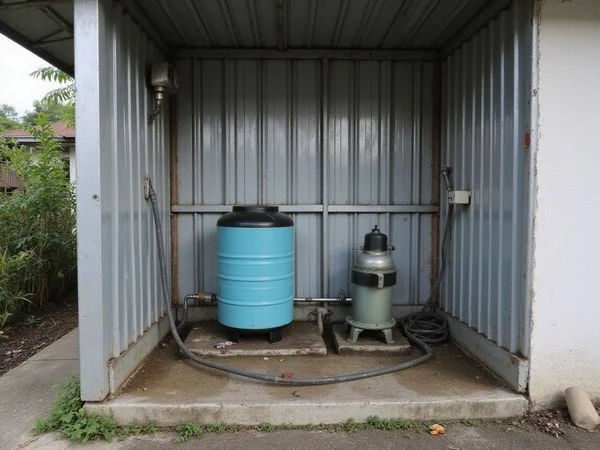
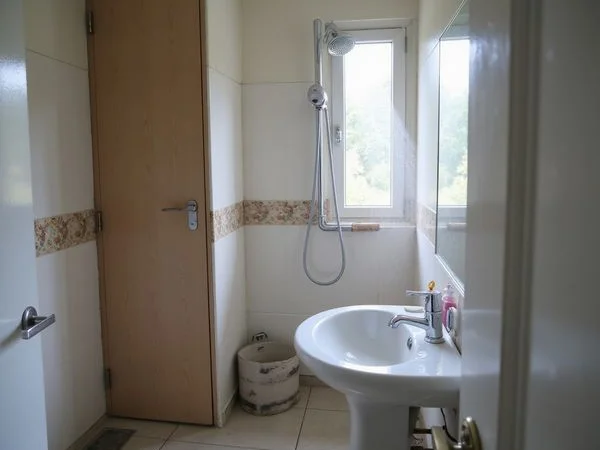
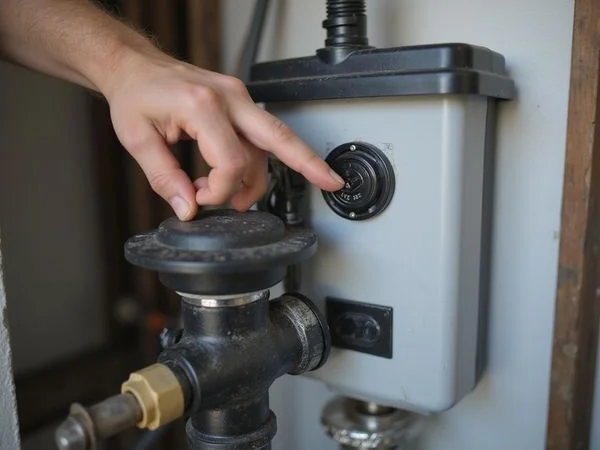
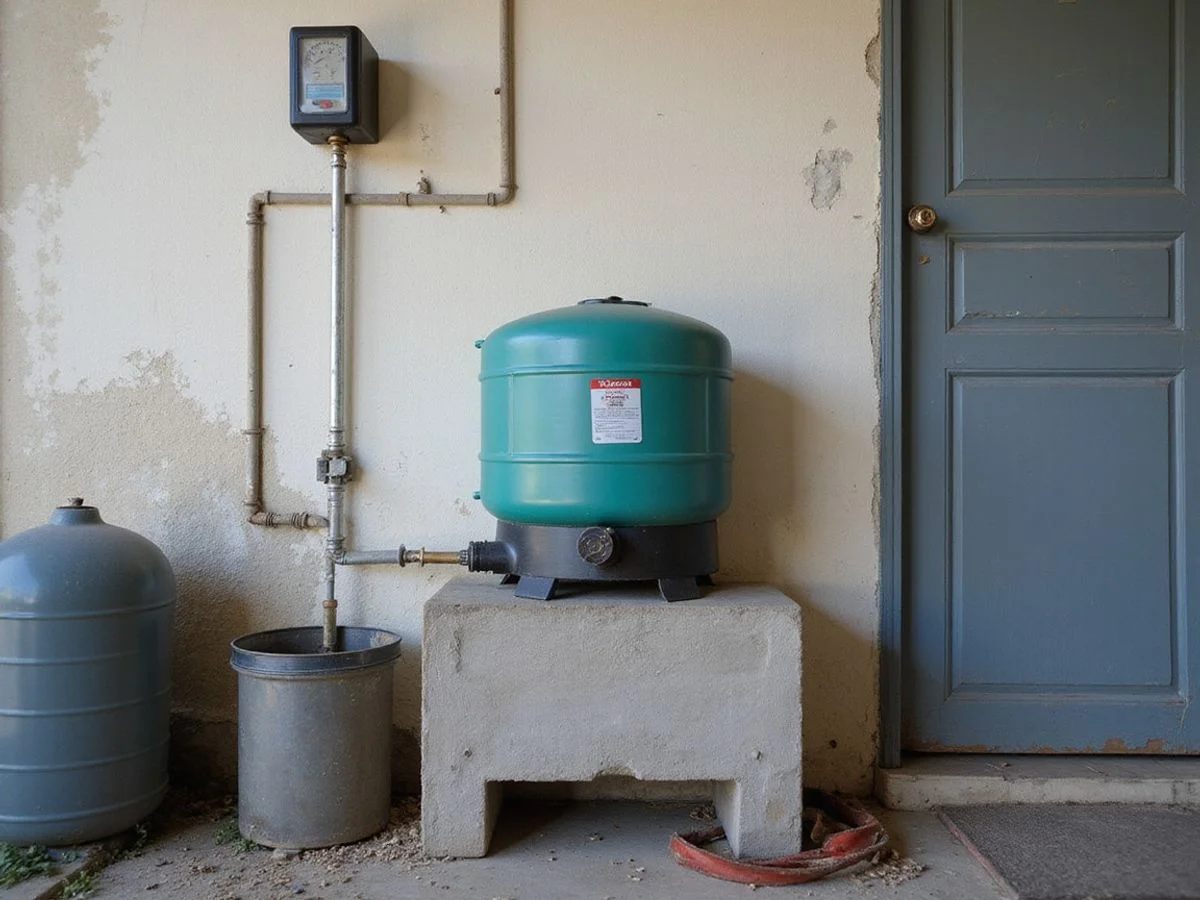
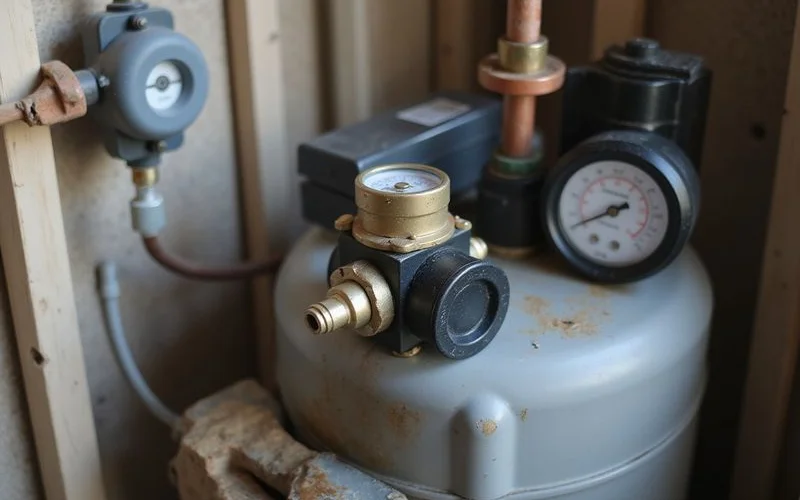
In many landed houses, water is stored in a roof or ground tank and reaches the taps by gravity. Upstairs taps get little pressure. A booster pump takes water from the tank and pushes it to the taps. Most home pumps are controlled by a pressure switch, often with a small pressure tank that stores some pressurised water. A check valve stops water flowing back when the pump stops. Newer constant pressure pumps use electronic control to keep pressure steady. Tanks, pumps and heaters sit together in our home plumbing guide for Klang Valley homes.
Which pump suits which home?
| Type | Where it fits | Notes |
|---|---|---|
| Pressure-switch pump with pressure tank | Most landed houses | Simple, widely used |
| Constant pressure pump | Homes wanting steady shower pressure | Smoother, more electronics |
| Pump feeding from a ground tank | Houses with a ground-level tank | Must not run dry |
| Pump boosting a roof tank supply | Weak upstairs pressure | Check pipe size too |
Pump choice and pipe size go together. A pump cannot fix pipes that are too narrow or clogged with rust. The Water Pressure section explains how to check both.
What will you notice when something is wrong?
| Symptom | Likely cause | Guide |
|---|---|---|
| Starts and stops repeatedly | Pressure tank, leak, check valve | Pump switching on and off |
| Runs but no pressure | Empty tank, air lock, suction leak, worn impeller | Pump running, no pressure |
| Noisy or rattling | Worn bearings, loose mounting, air | See below |
| Does not start | Power, switch, motor | Plumber or electrician |
What can you safely check yourself?
- Is there water in the tank, and is the outlet valve open?
- Did the problem start after a water cut? Air in the suction line is likely.
- With every tap closed, does the pump start by itself? Look for running cisterns and drips.
- Are there drips at the pump, the pressure tank or the pipe joints?
- Is the pump hot, smelling of burning or making new noises? Switch it off.
Do not open the pump or its electrical parts.
Pumps during water cuts
Dry running is the most common cause of avoidable pump damage. Before and during a cut, switch the pump off if the tank may empty. Afterwards, check it moves water before you leave it running. Our guide to a water cut in the Klang Valley covers each step.
Installation basics
- A solid, level base, sheltered from rain and sun
- A reliable supply from the tank, with a valve to isolate the pump
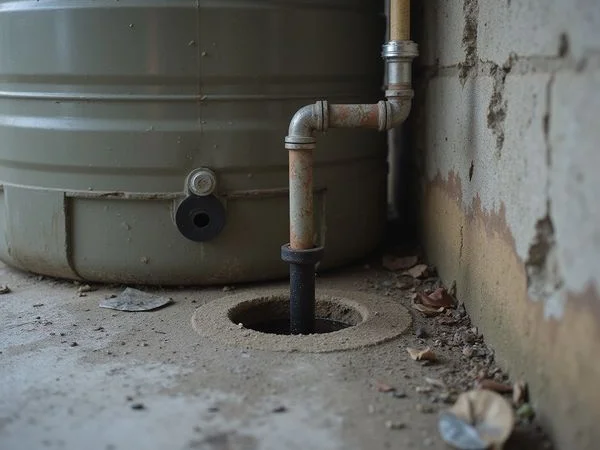
- A check valve and, where needed, a pressure tank
- Proper wiring and earth leakage protection by a qualified person
- Dry-run protection if available
- Placement away from bedrooms to limit noise
Condo unit
The building’s pumps are managed by building management. Private pumps inside units are often restricted, so ask first.
When should you call a plumber?
Call a plumber if the pump will not move water when the tank is full, keeps short cycling after you have fixed obvious leaks, leaks, or gets hot or noisy. Ask how the visit is charged first. The partner’s published pump inspection fee, and whether it is waived, is shown further down this page.