What short cycling means
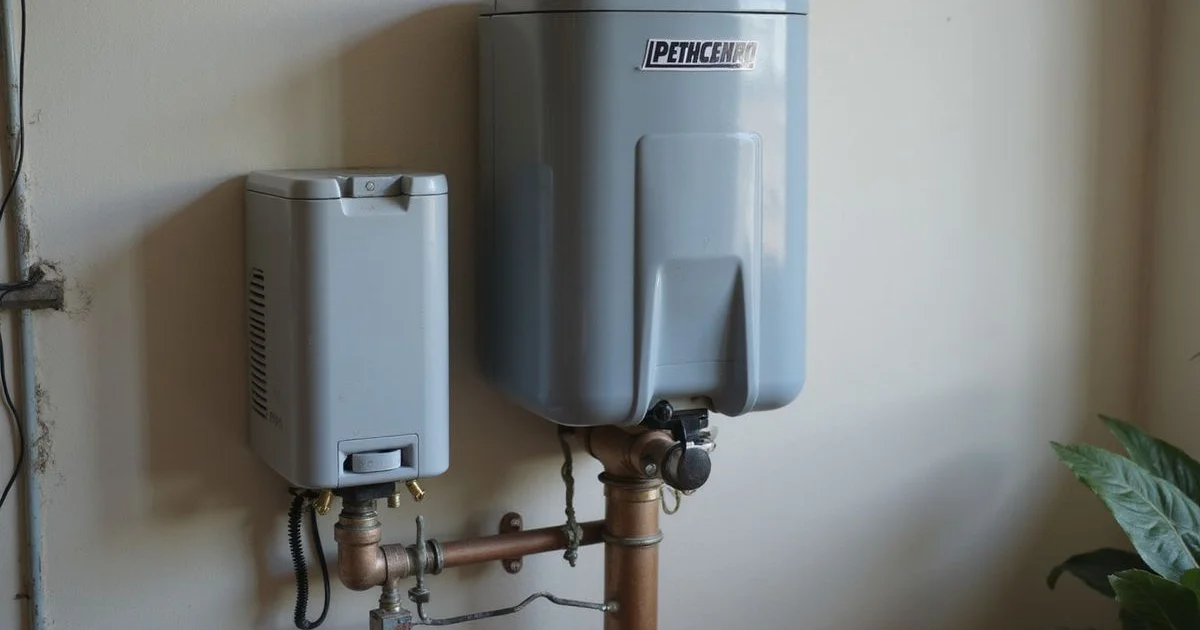
A booster pump should start when you open a tap, run while water is flowing, and stop shortly after you close it. If it clicks on and off every few seconds while a tap runs, or starts by itself when nothing is open, it is short cycling. It is a common pump fault in landed houses, and it is worth fixing soon, because constant starting wears the pump out. This guide explains the usual causes and what you can check. It is part of the Water Pumps section.
How a booster pump knows when to run
Most home booster pumps are controlled by pressure:
- The pressure switch starts the pump when pressure in the pipes drops below a set point, and stops it when pressure reaches an upper set point.
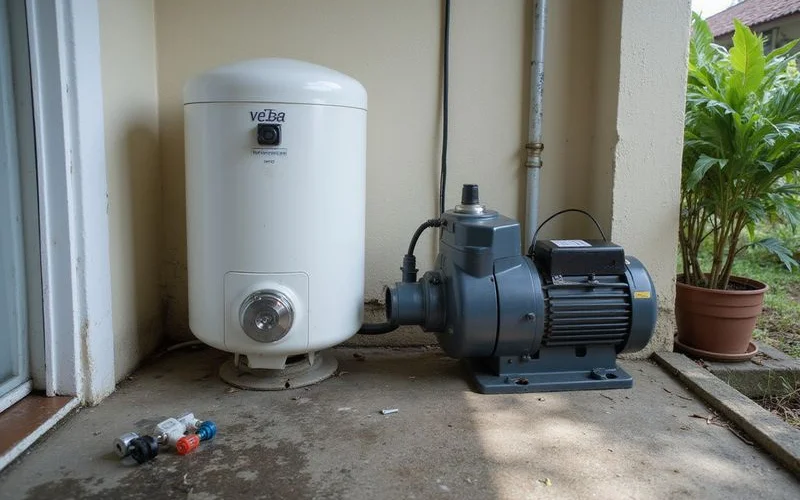
- The pressure tank (on pumps that have one) is a small tank with an air cushion inside. It stores a little pressurised water, so the pump does not have to start for every small draw.
- The check valve (non-return valve) stops water flowing back through the pump when it stops, so pressure holds.
Some newer pumps are “constant pressure” types with electronic controls, which behave a little differently, but the same principles apply.
Common causes
Pressure tank problems
If the pressure tank loses its air charge, or its internal bladder fails, it cannot store water under pressure. The pump then starts and stops rapidly, because pressure rises and falls almost instantly.
Small leaks downstream
A small leak somewhere in the house lets pressure drop slowly. The pump starts to top it up, stops, and starts again a few minutes later. Common leaks:
- A toilet cistern running or leaking into the bowl. Our guide on a toilet cistern running non-stop explains how to check.
- A dripping tap or bidet spray
- A leaking pipe joint, sometimes hidden in a wall
Failing check valve
If the check valve does not close properly, water flows back through the pump to the tank when it stops. Pressure drops, and the pump starts again.
Pressure switch fault
A switch that is worn, dirty or set too narrow can cause rapid starts.
Checks you can do safely
- Close every tap and fixture in the house.
- Watch and listen to the pump. Does it start by itself every few minutes?
- Check toilets with the food colouring test, and listen for cisterns refilling.
- Look for drips at taps, bidet sprays and under sinks.
- Run the meter test. If your pump is fed from a tank, the meter tells you about leaks before the tank. If water is leaking after the pump, you may see the tank level drop slowly while nothing is used.
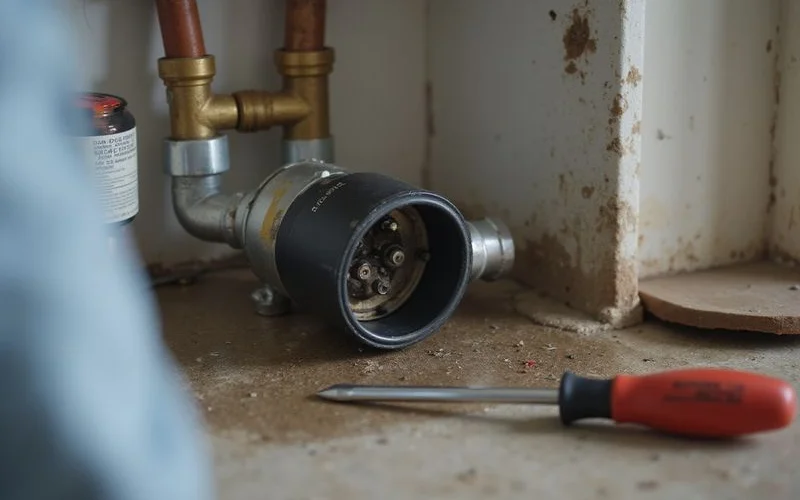
- Look at the pump area for drips at the pump, the pressure tank and the fittings.
Do not open the pump, pressure switch or electrical parts yourself.
Why it matters
| Effect | Why |
|---|---|
| Faster wear on the motor | Every start is the hardest moment for a motor |
| Pressure switch and contacts wear out | Each cycle sparks and wears the contacts |
| Higher electricity use | Starting draws extra power |
| Noise | Constant clicking and starting |
| Hidden leaks wasting water | The cause may be a leak that also costs you money |
Partner inspection fee
Pump faults can take time to diagnose, because the cause may be the pump, the pressure tank, the check valve, or a leak somewhere else. KL1 Plumber publishes a water pump on-site inspection fee of RM80 on its price list, read on 15 November 2026. That fee is not waived, even if the job goes ahead. Ask any plumber how their pump visit is charged before they come.
Landed house and condo notes
Landed house. Booster pumps are common in landed houses, especially to improve upstairs pressure. They are the owner’s responsibility.
Condo unit. Building pumps are managed by building management. If you have a private booster pump inside your unit, check the building’s house rules on whether it is allowed.
When to call a plumber
Call a plumber if the pump keeps short cycling after you have fixed any obvious leaks, if the pressure tank or check valve may be at fault, or if the pump is noisy, hot or leaking. Switch the pump off between uses until it is repaired, to limit the wear. If the pump runs but gives no pressure, read Water Pump Running but No Pressure instead.