When should old pipes be replaced?
There is no fixed age, but these signs together suggest your pipes are near the end of their life:
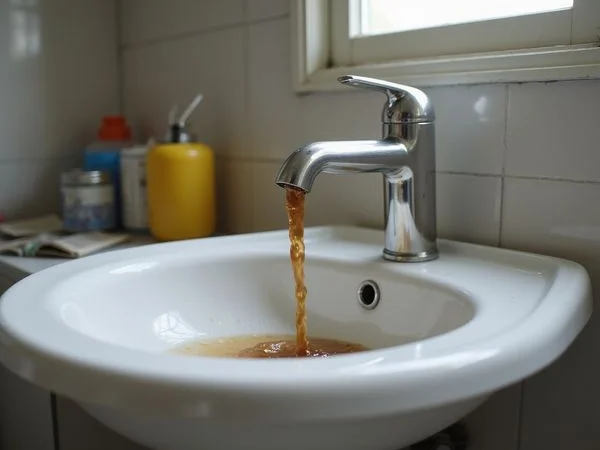
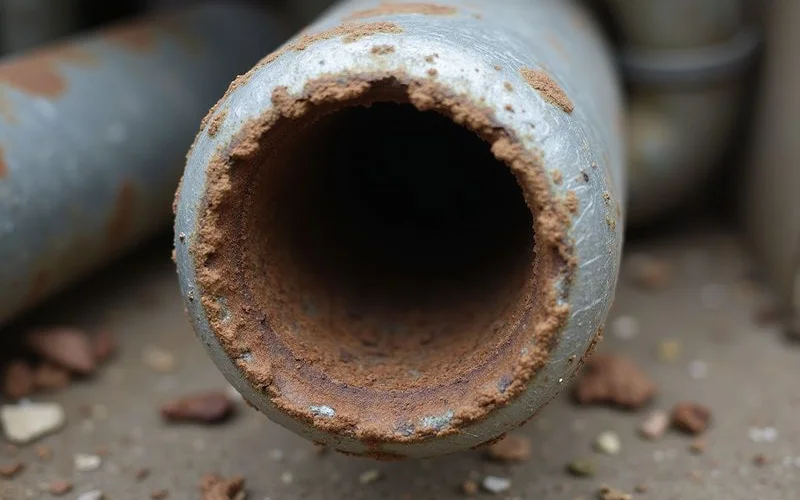
- Brown water that keeps coming back, often worst in the morning
- Weak flow at every tap, not just one
- Leaks that keep coming back in different places
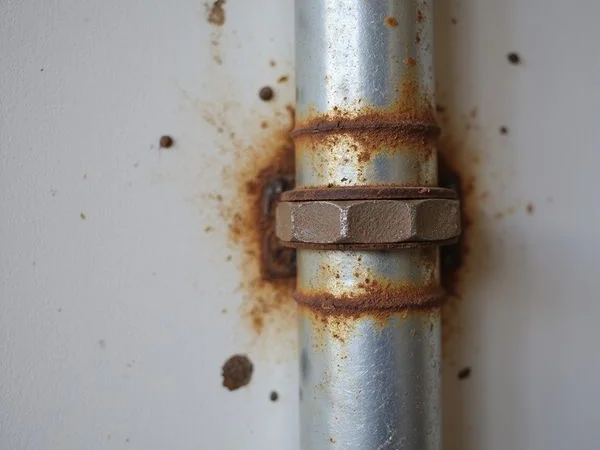
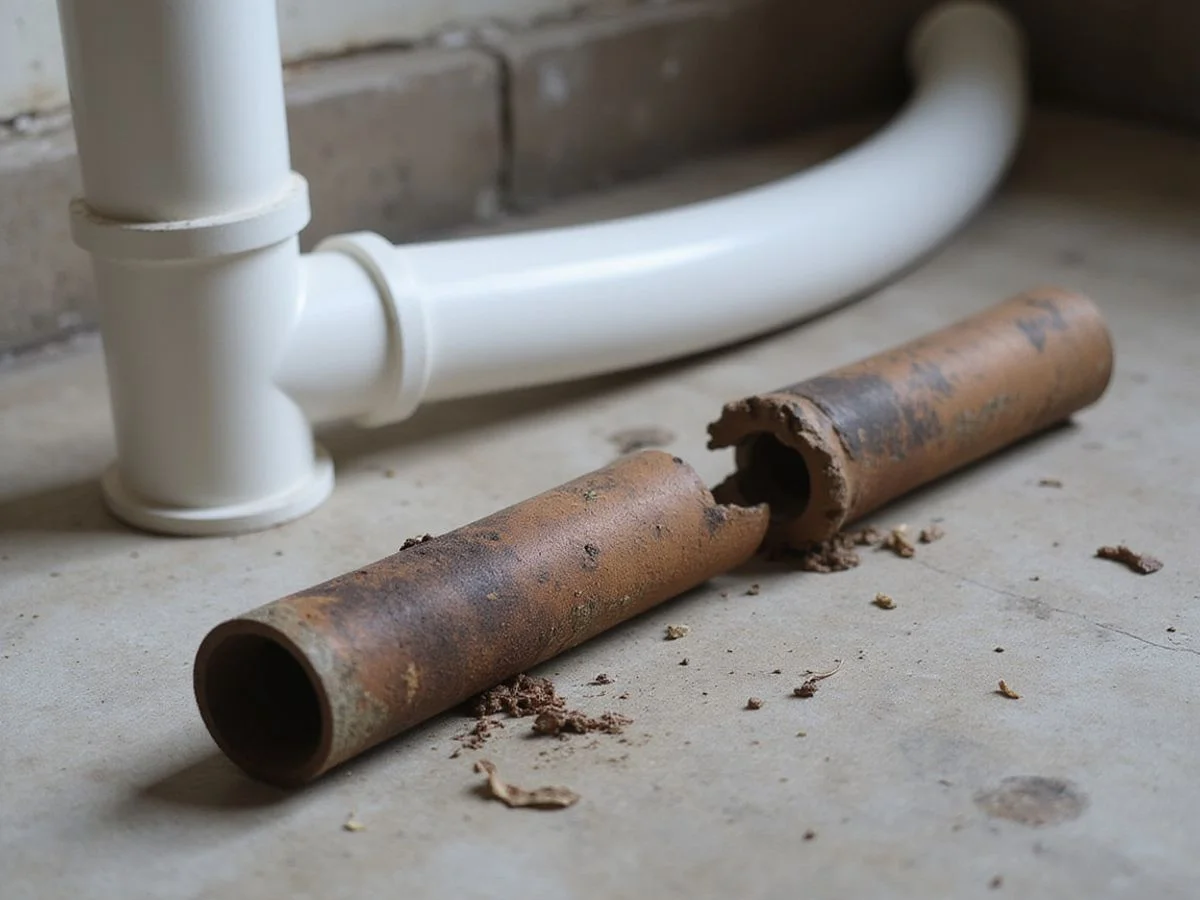
- Rust on exposed pipes and joints
- Pipes that are decades old and have never been replaced
Why galvanised iron pipes fail
Many older landed houses in Kuala Lumpur and Selangor, including many in Petaling Jaya, were built with galvanised iron (GI) pipe. GI is steel with a zinc coating. Over the years the coating wears away and the steel rusts from the inside. Rust narrows the pipe, colours the water and eventually eats through the pipe wall. Once a GI system starts leaking in several places, more leaks usually follow. Older housing stock like this is a recurring theme across our home plumbing guide.
Our guide on brown or rusty tap water helps you rule out the supply and your tank first.
Repair or repipe?
One leak on otherwise sound pipe is a repair. Repeated leaks on old pipe are a sign to compare repair with repiping. Our guide on pipe repair or repiping the house walks through the decision.
Which materials replace old pipes?
Most new home pipework uses plastic:
- PVC pipe and uPVC pipe for cold supply and drains
- PPR pipe for hot and cold lines, joined by heat fusion
- Polyethylene (PE) pipe for underground runs from the meter
- Copper pipe in some homes, especially for hot water
Our comparison of PVC, PPR and copper pipes explains which suits which job.
What does repiping involve?
- A survey of the existing pipes and planned routes
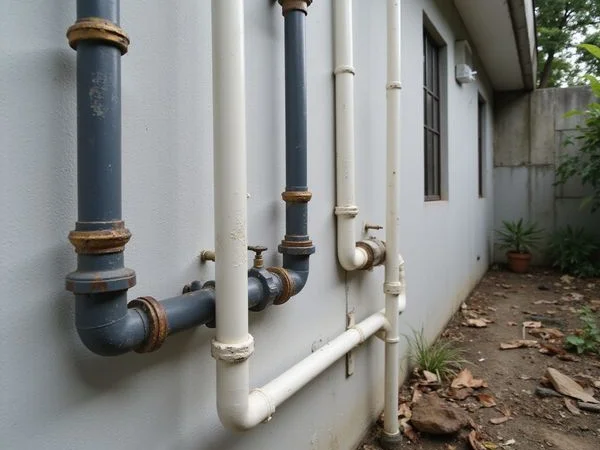
- Running new pipes, concealed in walls or along surfaces as exposed piping
- Connecting taps, toilets, the heater and the tank
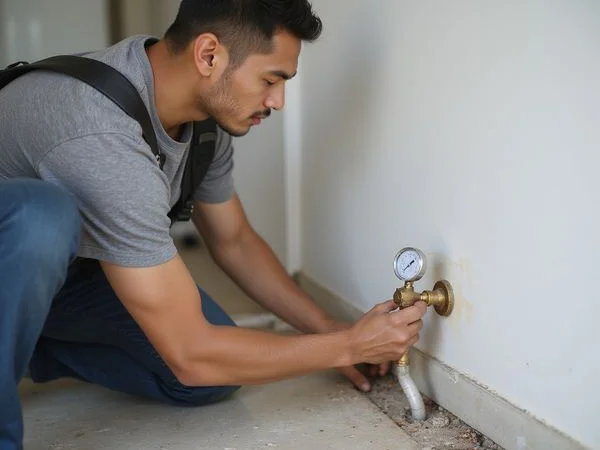
- Pressure testing the new system
- Capping or removing the old pipes
- Making good where walls were opened
Exposed routing reduces hacking and makes later repairs easy. Concealed routing looks neater but needs more opening and re-tiling.
What drives the cost?
- House size and the number of bathrooms and taps
- Concealed or exposed routing
- Pipe material
- Hacking, plastering and re-tiling
- Access to roof spaces and under floors
- Whether valves, the tank connections and the underground supply are included
The partner’s published PVC pipe replacement price, with source and date, is listed further down this page. It is a per-metre figure, so a full repiping quote will be built from many metres plus fittings and making good.
Landed house
All pipes after the meter are yours, including the underground run to the house.
Condo unit
You can usually repipe inside your unit, but not the shared risers. Check house rules on hacking and contractor hours first.
When should you call a plumber?
Call a plumber for an assessment if you have brown water, weak flow and repeat leaks in an older house. Ask for the pipe material and condition to be shown to you, and ask for a quote for both a repair and repiping. Repiping is work on mains-fed pipes and needs an IPA Type A permit holder. Our hiring checklist explains what to ask.