What causes toilet problems?
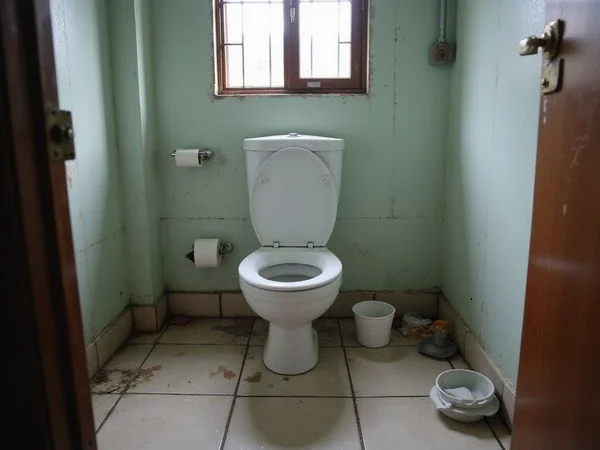
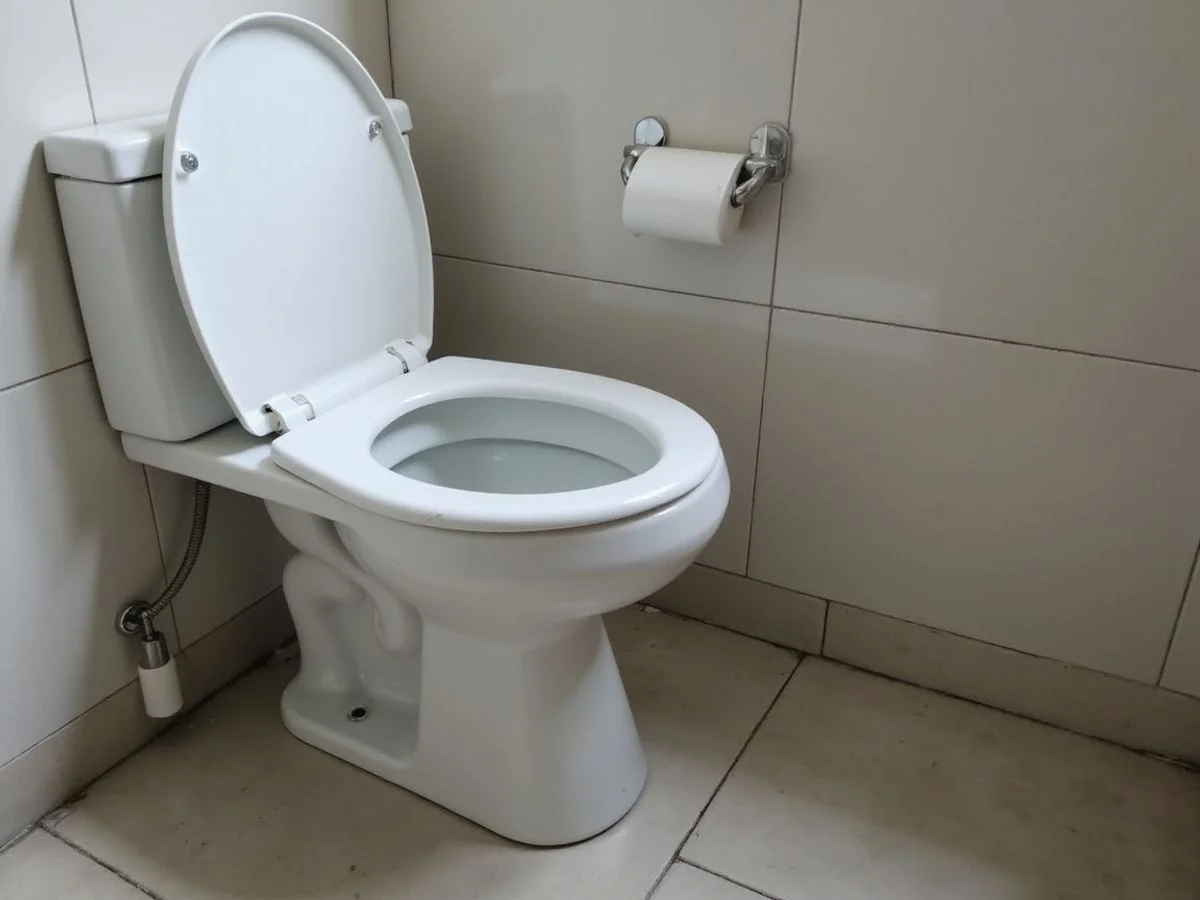
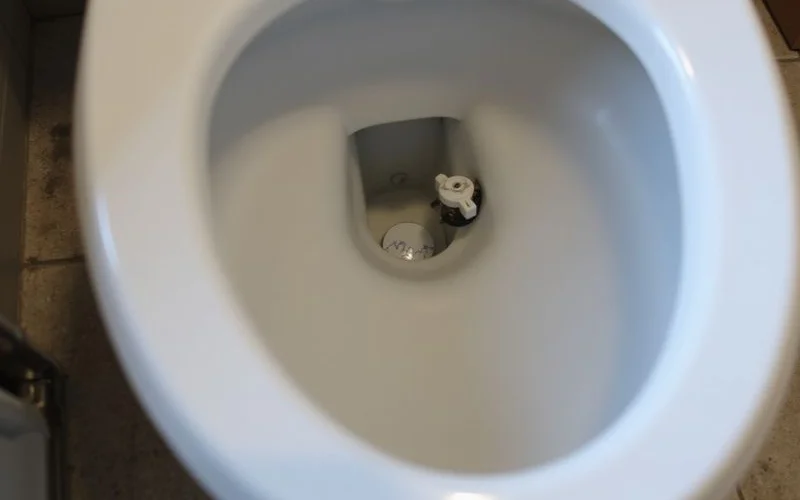
A toilet has two parts that go wrong: the bowl, which carries waste away through its P-trap or S-trap outlet, and the cistern, which stores and releases the flush water. Toilets are among the most common problems in our home plumbing guide for KL homes.
Bowl problems:
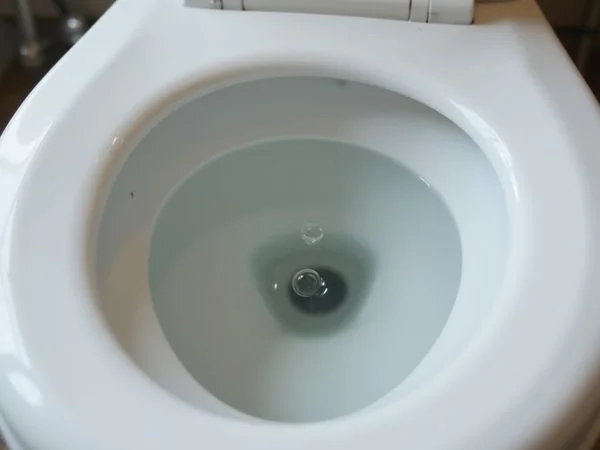
- Blockages from wet wipes, sanitary items, too much tissue or objects dropped in
- A failed seal at the base, sometimes called the toilet wax seal or base seal
- Cracks in the ceramic
Cistern problems:
- A fill valve that does not shut off, or will not open
- A float valve set too high, stuck or damaged
- A worn flush valve seal that leaks water into the bowl
- A sticking dual-flush button
- Grit in the valves after a water cut
What will you notice?
| Symptom | Likely cause | Guide |
|---|---|---|
| Bowl blocked, water rises | Blockage in the bowl or pipe | What not to flush |
| Weak or failed flush | Low water level, flush valve, button | See below |
| Cistern keeps running or hissing | Fill valve or flush valve seal | Cistern running non-stop |
| Cistern will not refill | Closed valve, blocked fill valve | Toilet not refilling |
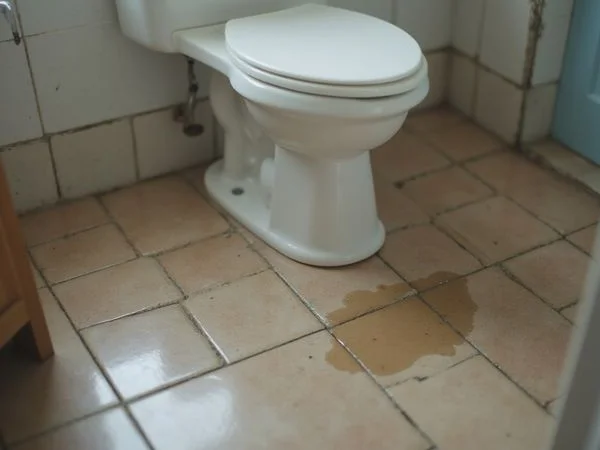
| Water at the base | Base seal, hose, cistern joint | Leaking at the base |
| Sewer smell near the toilet | Failed base seal | Leaking at the base |
What can you safely check yourself?
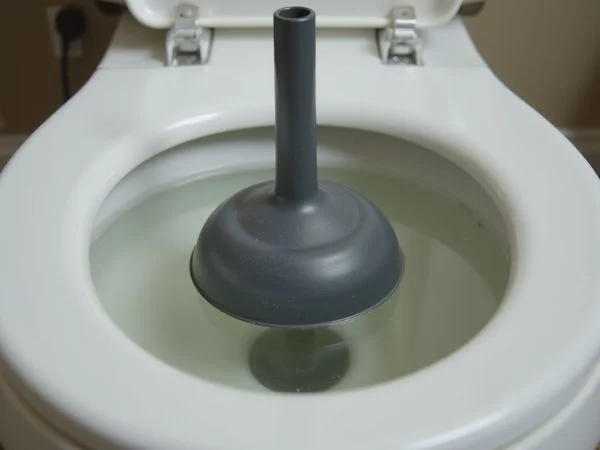
- For a blocked bowl, use a flange plunger. Stop flushing until it clears.
- Lift the cistern lid. Is the water at the marked level? Does the float move freely?
- Do the dye test. Add food colouring to the cistern. If colour appears in the bowl without flushing, the flush valve leaks.
- Check the angle valve behind the toilet is fully open.
- Check the base with dry tissue after a flush.
- Check the bidet spray hose for drips, a common source of water on the floor.
Landed house
A running cistern fed from the roof tank also makes your booster pump work harder. A blocked toilet that does not clear may be a blockage further down, in an inspection chamber outside.
Condo unit
A leaking toilet can reach the unit below, and a blocked shared stack can make your toilet gurgle or back up when others use water. If water rises in your toilet or floor trap without you using it, report it to building management.
What does a repair involve?
- Cistern parts: replacing a fill valve, flush valve seal or button mechanism. Usually one visit.
- Blockage: plunging, a toilet auger, or clearing the pipe beyond the bowl.
- Base leak: lifting the toilet, fitting a new seal and reseating it.
- Cracked bowl: replacement. Our guide to repair or replace a toilet helps you decide, and replacing a toilet bowl explains the job, including squat to pedestal conversions.
The partner’s published toilet prices are listed further down this page, with their source and date.
When should you call a plumber?
Call a plumber if a plunger does not clear the bowl, if the cistern keeps running after you have adjusted the float, if water appears at the base, or if the bowl or cistern is cracked. In a rental, ask the plumber to record what caused a blockage. The Landlords and Tenants section explains why that matters.