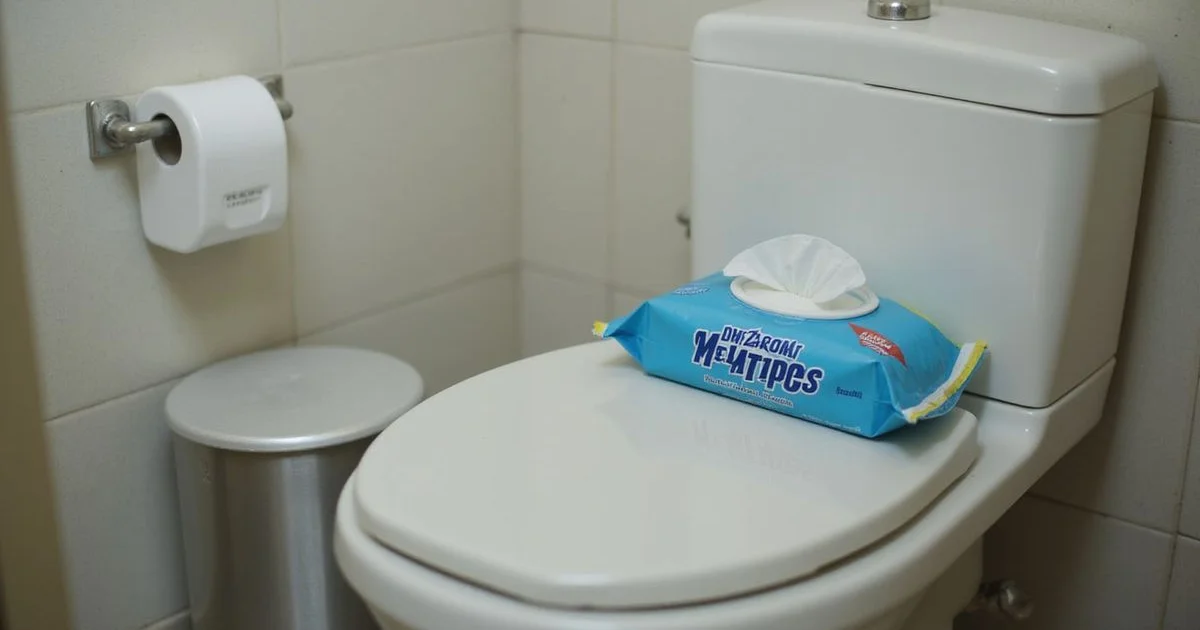
The toilet is not a bin
Most toilet blockages are caused by something that should not have been flushed. Toilets and the pipes behind them are designed for two things: human waste and toilet paper. Anything else, even things labelled “flushable”, can catch in the bend of the bowl, the pipe under the floor or the shared stack in a condo. This guide lists what not to flush, the habits that help, and the signs of a slow build-up. For blocked toilets and other faults, see the Toilet Problems section.
What not to flush
| Item | Why it causes problems |
|---|---|
| Wet wipes, including “flushable” ones | Break down very slowly, catch in pipes and collect other waste |
| Sanitary pads and tampons | Absorb water and swell |
| Nappies | Swell hugely and block at once |
| Cotton buds and cotton wool | Clump together in bends |
| Kitchen paper and facial tissues | Made to stay strong when wet |
| Dental floss | Wraps around other waste |
| Hair | Tangles and traps paper |
| Cooking oil and food | Sets in pipes and attracts more waste |
| Medicines | Harm the water and sewer system |
| Cat litter | Sets like clay |
Toilet paper: how much is too much?
Even toilet paper can cause a blockage if too much goes down in one flush, especially with a low-water dual-flush cistern on the half flush. If you use a lot of paper, flush part way through, or use the full flush.
Bidet spray habits
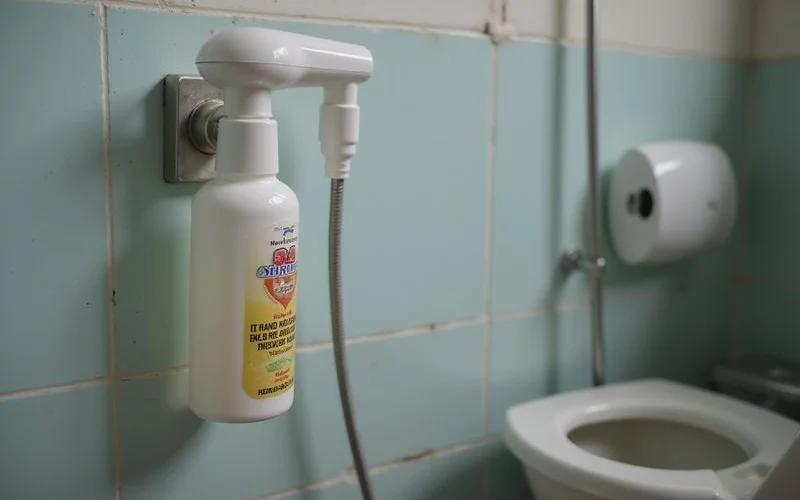
Many Malaysian bathrooms have a bidet spray beside the toilet. Using it for most of the cleaning means far less toilet paper, which helps. A few habits keep it working well:
- Close its valve when the house is empty for long periods, so a failed hose does not flood the bathroom.
- Do not leave the spray head lying on the floor, where it can be stepped on and crack.
- If the hose drips, replace it early. Our Taps and Fixtures section covers spray leaks.
A bin solves most of it
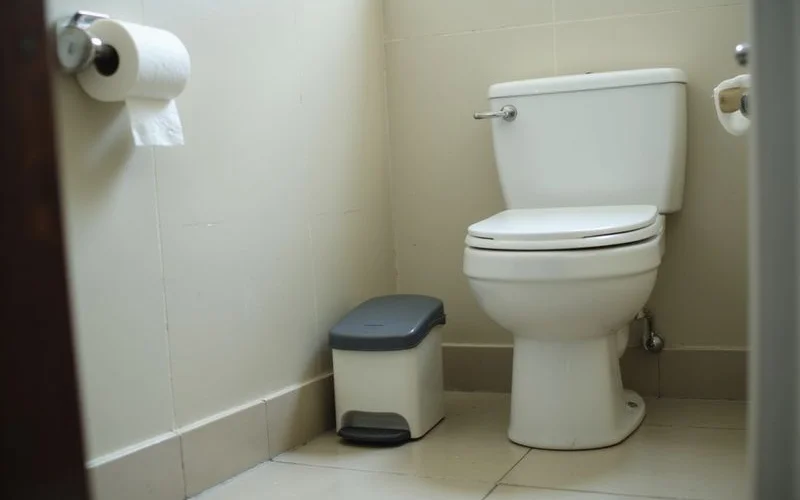
Put a small bin with a lid next to every toilet. It is the single most effective way to stop blockages, because people flush things when there is nowhere else to put them. If blockages keep coming back even with good habits, Repair or Replace a Toilet? explains when replacing an old toilet is worth considering.
Signs of a slow build-up
Blockages often build up over weeks. Watch for:
- Water rising higher in the bowl than usual before it drains
- A slow, weak flush, or needing two flushes
- Gurgling from the toilet or a nearby floor trap
- Bubbles rising in the bowl when another fixture drains
- A smell that was not there before
Act at this stage. A plunger used early often clears a partial blockage before it becomes a full one.
Household rules for tenants and guests
Tenants, guests and helpers may not know your rules. A short, polite note helps more than you might expect.
- Put a simple sign in each bathroom: “Only toilet paper in the toilet. Please use the bin.”
- Landlords can include the same rule in the house rules attached to the tenancy agreement.
- Show new tenants where the bins are at handover.
This also helps when there is a question of who pays. Blockages caused by misuse, such as wipes or sanitary items, usually fall on the tenant under typical tenancy terms. Our guide on a blocked toilet in a rental explains that in more detail.
Landed house and condo notes
Landed house. Your own pipes run to the sewer connection or septic tank. Wipes and pads that get past the toilet can still block an inspection chamber outside.
Condo unit. Your toilet drains into a shared stack. What you flush can block the stack below your floor and push waste water back into your neighbours’ floor traps. Good habits protect the whole building.
When to call a plumber
Call a plumber if the toilet stays blocked after you have tried a plunger, if water rises to the rim, or if blockages keep coming back. Repeat blockages can point to something stuck deep in the pipe, a badly sloped pipe, or a problem in the shared line. Ask the plumber to tell you what they found, and to photograph it if you rent the property.