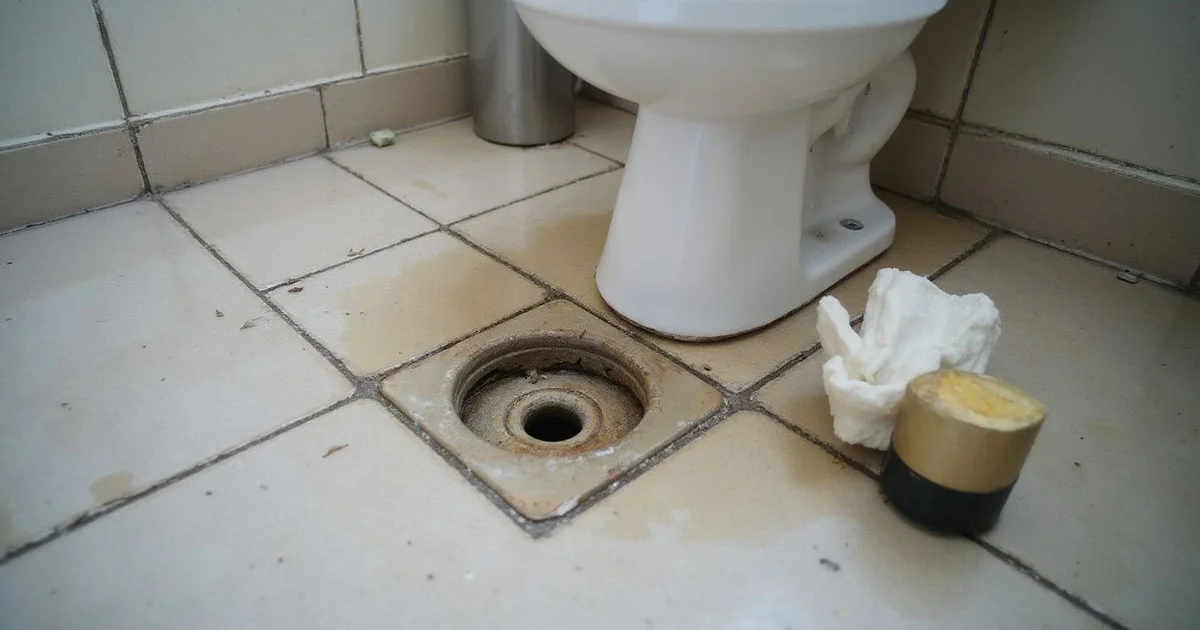
What happens on the day
Replacing a toilet bowl is one of the more common bathroom jobs in Klang Valley homes, especially in older houses with worn or cracked toilets, or where owners are changing a squat toilet to a pedestal one. Knowing the steps helps you plan the day, buy the right toilet and avoid surprises in the quote. This guide covers what to check before you buy, what the plumber does, and how long it takes. For deciding whether to replace at all, see the Toilet Problems section.
Before you buy: check the outlet
The most important thing to get right is the outlet type and position.
| Outlet type | Where the waste pipe is | What to measure |
|---|---|---|
| S-trap (floor outlet) | In the floor beneath the toilet | Distance from the finished wall to the centre of the outlet |
| P-trap (wall outlet) | In the wall behind the toilet | Height from the floor to the centre of the outlet |
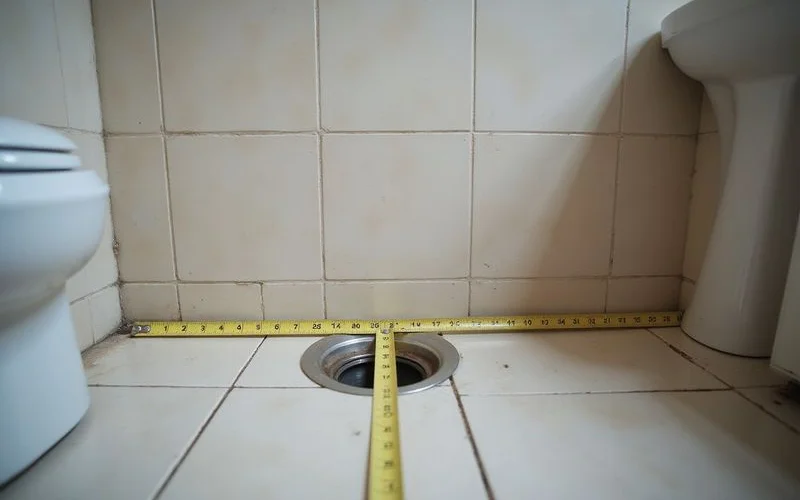
If the new toilet’s outlet does not line up with your pipe, the plumber may be able to use an offset connector, but large differences mean moving the pipe, which means hacking and re-tiling. Measure first, or ask the plumber to measure during an inspection.
Also check:
- The space available. Measure from the wall to any obstacle in front and on both sides.
- The water inlet position for the cistern.
- The style of cistern: close-coupled, wall-hung or concealed.
The steps of a replacement
- Turn off the water at the angle valve and flush to empty the cistern.
- Disconnect the supply hose.
- Remove the old toilet. Unbolt it and break the old seal. Old toilets that were cemented in may need to be broken out carefully.
- Clean the outlet and remove old sealant, cement and debris.
- Check the floor and pipe. Is the outlet sound? Is the floor level and solid?
- Fit the new seal to the outlet.
- Set the new toilet in place, aligned with the outlet, and fix it to the floor or wall.
- Connect the cistern and the supply hose.
- Test. Open the valve, let the cistern fill, flush several times and check for leaks at every joint and at the base.
- Seal the base neatly with silicone, if appropriate.
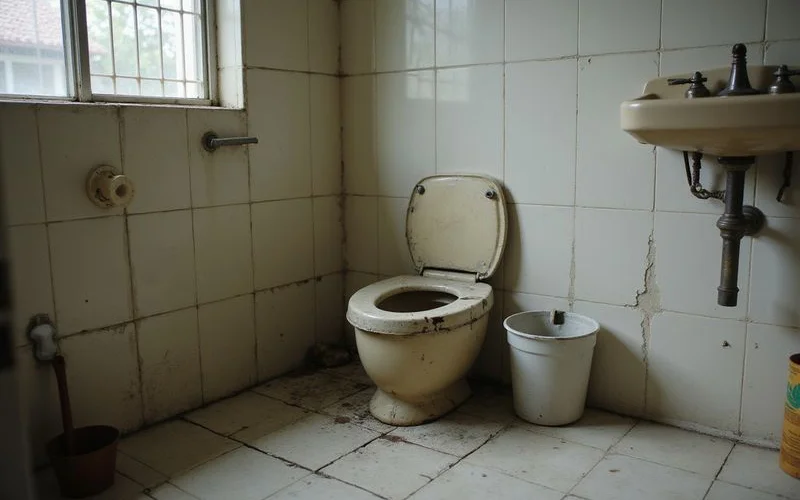
Squat to pedestal conversions
Many older Malaysian homes have squat toilets. Changing to a pedestal toilet is popular, especially for elderly family members. It is possible in most homes, but it is a bigger job:
- The squat pan is usually set into the floor and has to be broken out.
- The floor level may need building up or levelling.
- The outlet may need moving or adapting for the new toilet.
- Waterproofing in that area may be disturbed and need redoing.
- Tiles around the area need replacing.
Ask for a site check and a written quote that lists hacking, plumbing, waterproofing and tiling separately. A squat-to-pedestal job can take longer than a day, because screed and tile adhesive need time to set.
Condo approval and house rules
In a condo, replacing a toilet is work inside your unit, but buildings often have rules about:
- Hacking and noisy work, usually limited to certain hours and weekdays
- Debris removal, often not allowed in the passenger lifts
- Contractor registration, access cards and deposits
- Shutting off water to the riser, which only building management can do
Check with building management before you book. Our guide on plumbing work in a condo and management approval covers this in more detail. If the waterproofing is disturbed during the job, make sure it is restored properly, because a leak through your floor will reach the unit below.
Downtime and what to prepare
- Clear the bathroom of mats, bins, shelves and anything breakable.
- Plan another toilet for the day if you have only one bathroom.
- Protect the route from the door to the bathroom if the old toilet and debris will be carried out.
- Keep spare tiles handy if you have any.
- Ask about disposal. Who takes the old toilet away?
A straightforward swap is often done within a few hours. Allow longer for conversions, floor work or concealed cisterns.
After the job: first week checks
For the first few days after a new toilet is fitted:
- Look at the base after each flush for any water. Dry tissue around the base will show small leaks.
- Check the supply hose and angle valve for drips.
- Listen for a cistern that keeps running after it fills.
- Make sure the toilet does not rock when you sit on it.
In a condo, ask your neighbour below to tell you if they notice any damp in their bathroom ceiling. Any problem found early is usually a quick adjustment covered by the installer’s warranty.
What to ask before work starts
- Does the quote include removing and disposing of the old toilet?
- Is a new base seal and supply hose included?
- What happens if the outlet does not line up?
- Is any floor, waterproofing or tile work included, and who does it?
- What warranty is there on the installation?
When to call a plumber
Call a plumber for an inspection before you buy, so they can confirm the outlet type, position and any floor work. Book the replacement once you have a written quote that covers removal, fitting, sealing and any making good. If you are still deciding, read Repair or Replace a Toilet? first.