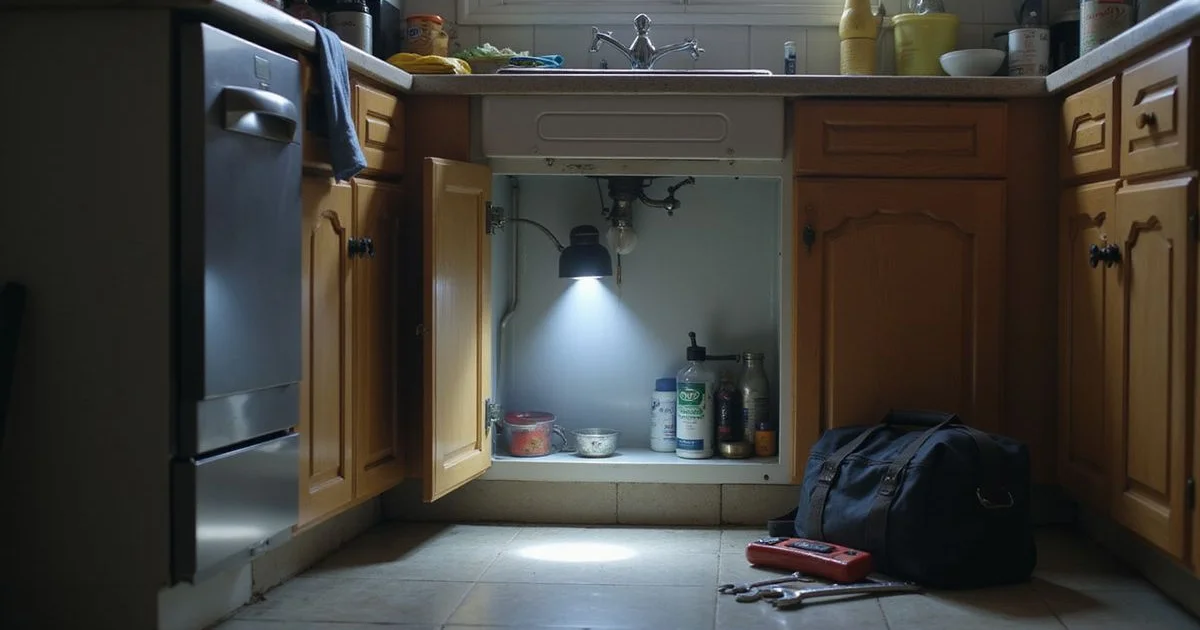
Why plumbers charge to inspect
Nobody likes paying before anything is fixed. Still, a plumber checking fee in Malaysia pays for travel time and for the work of diagnosing a hidden leak or a failing pump.
The fee itself is rarely the problem. Surprises are.
Know the amount before the plumber arrives. Ask what it includes, and whether it is waived or deducted if you go ahead.
We’ll explain how inspection fees usually work, then use the partner’s published fees as an example. For the full price list, see the Plumbing Costs section.
What an inspection usually covers
A standard visit covers the looking, testing and quoting, not the repair. Here is what you should normally get for the fee:
- Travel to your home
- Looking at the problem and asking you about it
- Basic tests, such as running taps, checking the meter or testing a pump
- An explanation of what is wrong, as far as can be seen
- A quotation for the repair
Some things usually sit outside the fee:
- Opening walls or floors to find a hidden leak
- Parts or the repair itself
- Specialist detection equipment, unless agreed
If your leak is behind a wall or under a slab, expect the plumber to say so and quote the next step separately.
Example: the partner’s published fees
KL1 Plumber publishes two inspection fees on its price list, read on 15 November 2026. One is waived when you accept the quote. The other is not.
| Visit type | Published fee | Waived? |
|---|---|---|
| On-site checking fee | RM30 | Waived if the quotation is accepted |
| Water pump on-site inspection | RM80 | Not waived, even if the job goes ahead |
These are the partner’s own published fees. Other plumbers may charge differently, waive differently, or not charge at all. We do not quote market averages here, because published fees vary too much between companies.
The useful lesson is the gap between the two rows. A general visit and a pump visit can be treated very differently, even by the same plumber.
Waived, deducted or separate
Inspection fees usually work in one of three ways. A checking fee waived on acceptance is a common setup, but it is not the only one. How a fee is handled is one reason plumbing quotes differ so much between providers.
- Waived if you accept the quote. You pay only if you decide not to go ahead.
- Deducted from the job. You pay the fee, and it is taken off the final bill if you go ahead.
- Charged separately. You pay the fee whether or not you go ahead.
None of these is wrong. The only bad version is the one you find out about after the visit.
Questions to ask before booking any plumber
Ask these seven questions before you confirm a visit:
- How much is the visit?
- Is the fee waived or deducted if I go ahead with the job?
- What does the visit include? Will you test or only look?
- Will I get a written quote after the visit?
- If the problem needs opening a wall or floor to find, is that extra?
- Is there a different fee for pumps, heaters or other equipment?
- How long is the quote valid?
Ask by message, so you have the answers in writing. A screenshot settles any argument later.
If the plumber cannot find the cause
Sometimes an inspection does not give a clear answer, and that is normal. A hidden leak may need more testing, or a fault may only show up at certain times. If that happens:
- Ask what the plumber ruled out, and what they think the likely causes are.
- Ask what the next step would be and what it costs.
- Ask whether the inspection fee is credited to that next step.
- Keep notes and photos so the next visit, by the same plumber or another, does not start from zero.
An inspection that rules things out still has value. It narrows down where to look.
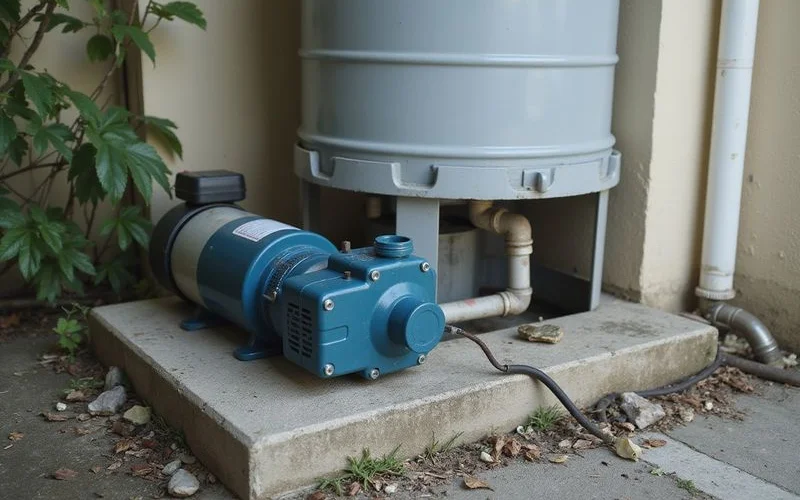
Why pump visits are often priced separately
Pump problems take longer to diagnose than a dripping tap, so some plumbers price a pump inspection on its own. The plumber may need to check the tank, the pressure switch, the pressure tank, the check valve and the pipes downstream.
Some faults only show when the pump has been running for a while. A pump that switches on and off in quick bursts, for example, can point to a failing pressure switch, a waterlogged pressure tank or a small leak. A worn check valve can cause similar symptoms.
That is why a pump visit can take much longer than a general look. The Water Pumps section explains the common pump faults.
How to get the most from an inspection
A little preparation makes the visit shorter and the answer clearer:
- Describe the problem clearly before the visit: what, where, since when, and any photos.
- Run the checks you can beforehand, such as the meter test. Our High Water Bill guide explains how.
- Clear access to the problem area, tank, pump or meter.
- Be there so you can answer questions and see what the plumber finds.
- Ask for the findings in writing, with photos if possible. It helps if you want a second quote, or if you rent.
Comparing quotes after inspections
If you pay for more than one inspection to compare quotes, the fees add up. For a larger job, that can still be money well spent. For a small repair, one inspection with a clear written quote is often enough.
Our guide on what a written plumbing quote should include helps you check the quote is complete.
Landed house and condo notes
Landed house. Pump and tank problems are common in landed houses, and these are the visits most likely to carry a separate inspection fee. Ask about it specifically when you book.
Condo unit. Check whether building management needs to register the plumber or issue an access pass before the visit. Also ask whether there is a time window for contractor visits.
When to call a plumber
Book an inspection when you cannot find the cause yourself, or when the fix needs a plumber. Before you book, agree the plumber checking fee and how it is treated, whether waived, deducted or separate.
After the visit, take your time reading the quote before you agree to any work, unless the problem is urgent. Send your seven questions by message today, and you will know exactly what you are paying for.