A high bill is a clue, not a verdict
If your water bill is suddenly high, a leak is only one of several possible reasons. Guests, a new washing machine, school holidays or an estimated reading can all push it up.
Sometimes, though, water really is escaping where you can’t see it. A meter test is the quickest way to tell the difference. It takes a few minutes of work and a few hours of waiting, and it sits inside the wider advice in our Pipe Leaks section.
Before you start, look at your last few bills. Check whether the jump is in cubic metres (m³), not just in ringgit.
A tariff change raises the amount you pay without changing how much water you use. Air Selangor’s domestic rates changed on 1 September 2025, so a bill from before that date isn’t a fair comparison on ringgit alone.
Reasons a bill rises without a leak
Rule these out first. They are common, and none of them needs a plumber.
- An estimated reading. If the meter could not be read, the bill may be estimated. The next actual reading then corrects it, sometimes with a jump.
- A longer billing period. Compare the number of days on each bill, not just the totals.
- More people at home. Guests, school holidays and working from home all add up.
- New habits or appliances. A rain shower, a bigger washing machine, or watering a new garden.
- Tariff changes. These raise the ringgit amount without changing the cubic metres.
The tariff matters more than most people think. Since 1 September 2025, Air Selangor charges domestic users by tier, so extra water costs more per unit as your usage climbs.
| Monthly domestic use | Rate per m³ |
|---|---|
| First 20 m³ | RM0.65 |
| Next 15 m³ (21 to 35 m³) | RM1.62 |
| Above 35 m³ | RM3.51 |
This is why a small leak can hurt. It doesn’t just add litres, it pushes you into the pricier tiers. Our Household Water Use Estimator gives you a rough idea of what a home like yours normally uses each month, so you can see if your bill is out of line.
How the meter boundary works
Air Selangor looks after the pipes up to your meter, and you look after everything after it. That split comes from the Water Services Industry Act 2006, and it applies to landed houses with their own meter.
Your meter measures everything that passes into your side. So if it keeps moving when every tap and appliance in the house is closed, water is going somewhere on your side of the meter.
That is the logic behind the test.
The meter test, step by step
Here is how we’d run it, from start to finish. This is the easiest way to check for a hidden leak with your water meter.
- Close everything. Every tap, shower, toilet and appliance that uses water, including the washing machine, dishwasher, water filter and garden hose. Switch off auto top-ups too, such as a pond or pool filler. If you have a booster pump, leave it on so the system is under normal pressure.
- Wait until the tank is full. If you have a roof tank, give it time to finish refilling, otherwise the meter will move as it tops up.
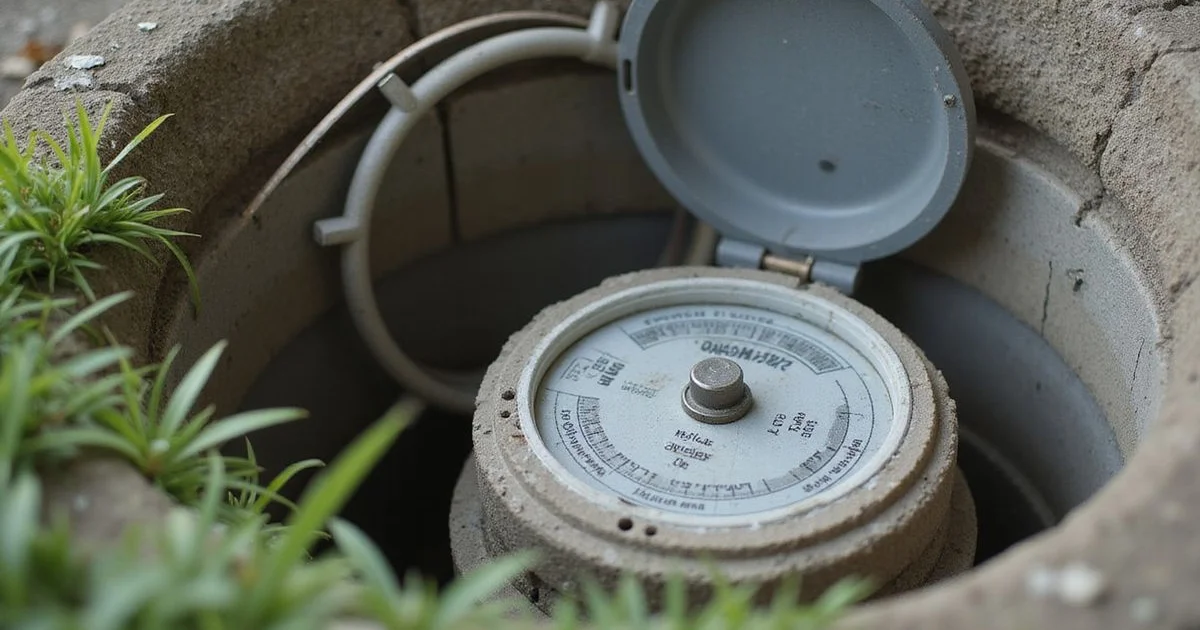
- Read the meter. Write down every digit, including the small red or black dials or digits that show litres. Take a photo too.
- Wait. Two hours at minimum, overnight if you can, with no water used at all.
- Read it again and compare.

Many meters have a small star-shaped or triangular dial that turns with very low flow. If that is spinning while everything is closed, you have your answer straight away.
Here’s a quick way to see what the numbers mean. If the reading creeps up by 0.02 m³ (20 litres) over two hours, that’s 240 litres a day. Over a month, it comes to about 7 m³ of water you’re paying for and not using.
You can turn your two readings into litres per day with our Water Meter Leak Test Calculator. It helps to see how much water a slow leak is really costing.
What the result means
If the meter moved, you have a leak on your side. If it stayed still, your pipes after the meter are fine for now, so look at usage and billing instead.
| What you see | What it suggests | Next step |
|---|---|---|
| No movement at all | No leak after the meter at the moment | Check your usage and whether the bill was estimated |
| Slow, steady movement | A small leak, often a cistern or tank overflow | Check toilets and the tank first |
| Fast movement | A bigger leak, possibly underground or in a wall | Isolate if you can and get it located |
| Moves only when the tank refills | Tank overflow or a leak on the tank side | Check the float valve and overflow pipe |
Check the usual suspects first
Most hidden leaks are not dramatic. They are quiet and steady, and two of the most common sources are easy to check yourself.
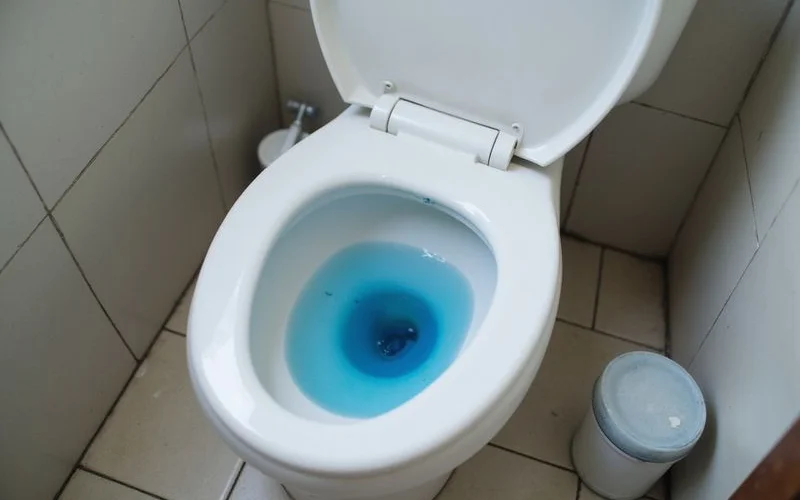
Toilet cisterns. A cistern with a worn flush valve seal leaks water into the bowl all day and night. You often cannot see or hear it. Water utility guides abroad say a badly leaking cistern can waste up to 1,000 litres a day, which is about 30 m³ a month.
To test it, put a few drops of dark food colouring in the cistern and wait 15 minutes without flushing. Then look at the bowl. If colour appears, the cistern is leaking. For slow leaks, some guides suggest waiting up to 30 minutes, and you should flush afterwards to clear the dye. Our guide on a toilet cistern running non-stop explains the fix.
The tank overflow. In landed houses with a roof tank, look at the overflow pipe outside. If it drips or runs, the float valve is not shutting off fully and water is being wasted.
If both are fine and the meter still moves, the leak is likely on a pipe. Look for these signs:
- Damp patches on walls
- Wet ground along the pipe route from the meter to the house
- Stains under sinks
Condo units: your unit meter and building management
In a high-rise building, building management looks after the shared tanks and main pipes, and you look after the pipes inside your unit. The same test works if you can read your own unit meter.
- Meter moves with everything closed: the leak is on your unit’s side.
- Bill is high but the test is clean: ask management whether the reading was estimated or whether there is a problem with the meter itself.
A leak inside your unit may not show in your home at all. It may show up as a stain in the ceiling of the unit below. If a neighbour has reported damp, take it seriously and run the test.
Keep a record
Good notes save time and money. Write down both readings, the times and what you found, and photograph the meter dials.
- Give these notes to the plumber if you need a repair. They help decide where to look first.
- Keep them for later, in case you ask Air Selangor about your bill.
When to call a plumber
Call a plumber if any of these apply:
- The meter keeps moving after you have ruled out toilets and the tank.
- You find damp along a pipe route.
- The meter moves fast enough that you can see it turning.
If you suspect the leak is before the meter, on the road side, report it to Air Selangor instead. You can reach them on 15300. If you dispute a reading, Air Selangor says it can monitor your usage trend with a smart meter for three consecutive days and tell you if it looks like an internal leak.
Our guide on who to call for a water leak explains who handles what. If your water bill is suddenly high, run the meter test tonight, write down your readings, and use them to decide your next call.