Why concealed leaks are easy to miss
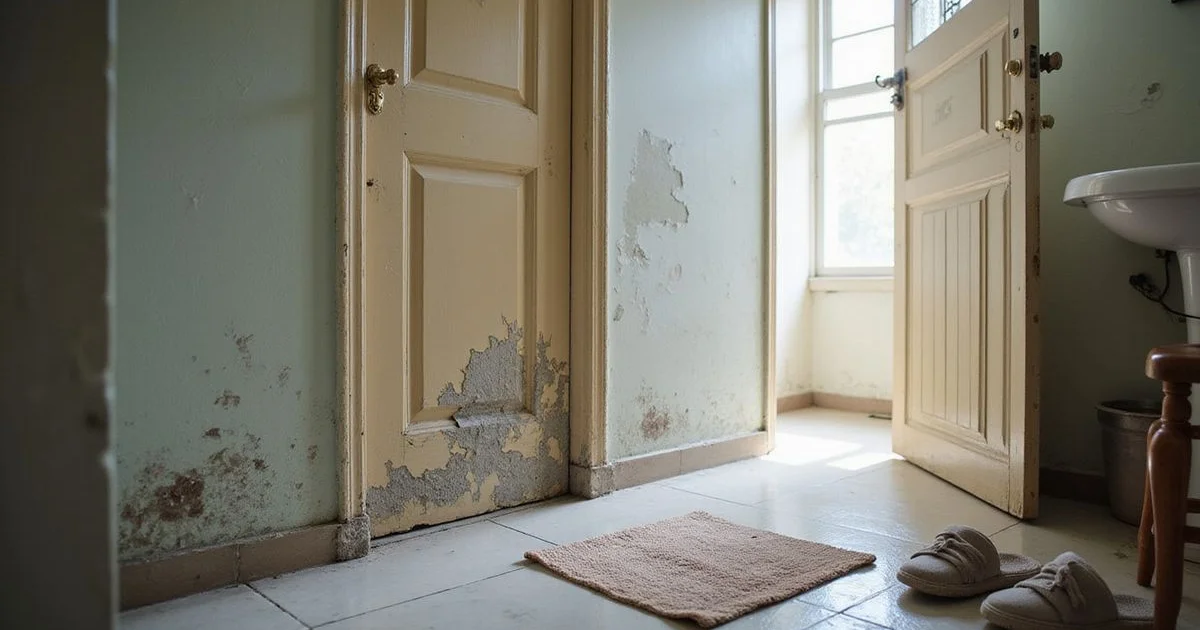
Most Klang Valley homes hide their water pipes inside walls and under floor screed, so a leak can run for weeks before anyone sees it. By the time paint bubbles or tiles lift, water may have soaked a wide area.
That’s why spotting the early signs of a hidden water leak matters.
This guide covers those signs, how to confirm a leak with your water meter, and what to note before you call anyone. It’s part of our Pipe Leaks section.
Signs to look for
No single sign proves a leak, but two or three together are a strong hint. Start with what you can see:
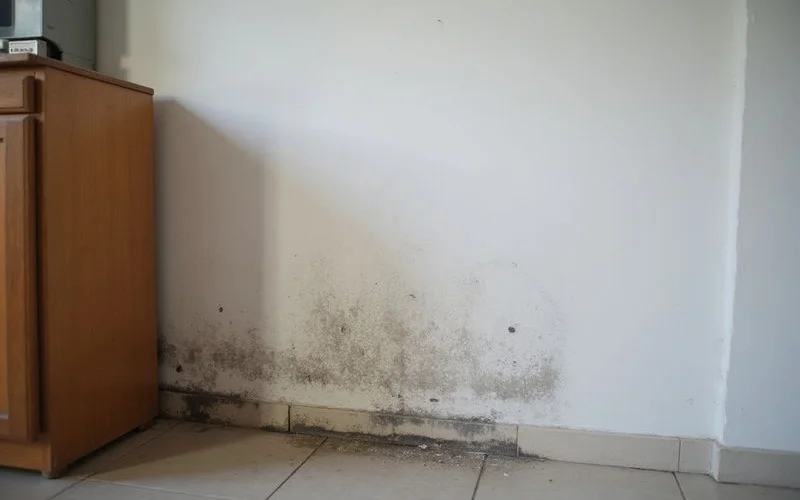
- A damp patch on a wall, often low down, near a bathroom, kitchen or where pipes enter the house. The paint may bubble, flake or feel soft.
- A wet floor with no visible source. Water seems to come from nowhere, often near the base of a wall or a kitchen cabinet.
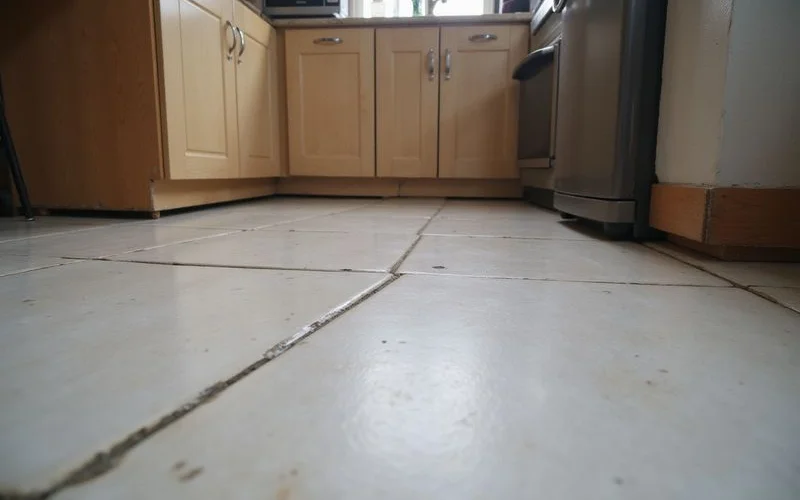
- Tiles that lift, crack or sound hollow when you tap them. Try tapping with a coin, because a dull, hollow sound means the bond underneath has weakened.
- Darkened or crumbling grout in one area of a floor that is otherwise dry.
- A water stain on the ceiling below a bathroom or kitchen.
- Mould that keeps coming back in the same spot, even after cleaning.
Then check what you can smell, hear or read on paper:
- A musty smell in a cabinet or corner.
- A higher water bill without more use. Compare it with your last few months, not just last month.
- The sound of running water when every tap is closed. Press your ear to the wall at night, when the house is quiet.
Confirm it with the meter test
Run a meter test before you call a plumber. Close every tap and water-using appliance, note the meter reading, wait a few hours or overnight with no water used, then read it again. If the meter has moved, water is escaping on your side.
Check the toilet cisterns first, because a silently running cistern moves the meter too. In a landed house, a stuck float valve on the roof tank does the same. Both are easy fixes, and neither is a hidden leak.
Some meters also have a small leak indicator dial. If yours does, it can show movement much sooner than the main digits.
Our High Water Bill guide explains the test step by step.
If the meter does not move but the wall is still damp, the water may not be from a supply pipe at all. It could come from a waste pipe, which only leaks when you use the sink or shower, or from rain getting in. Notice when the damp gets worse. After a shower? After rain? All the time?
Where concealed pipes usually run
Knowing where pipes tend to run helps you match a damp patch to a likely pipe. In typical Klang Valley terrace and semi-D houses:
- The main supply comes in from the meter at the front, often under the porch or along a side wall.
- Pipes rise inside walls to bathrooms, kitchens and the roof tank.
- Hot water pipes run from the heater to the shower, often inside the bathroom wall.
- Waste pipes run under bathroom and kitchen floors to the floor traps and out to the drain.
In condo units, pipes usually run from a riser in the corridor or service area into the unit, then through walls and floor screed to the kitchen and bathrooms. Shared risers are building management’s responsibility.
| Where the damp is | Possible source | Clue |
|---|---|---|
| Low on a wall beside a bathroom | Supply or waste pipe in the wall, failed waterproofing | Worse after showers points to waste or waterproofing |
| Kitchen floor near cabinets | Supply pipe to the sink, waste trap, dishwasher hose | Check under the sink first |
| Ceiling below a bathroom | Pipe in the floor above, toilet seal, waterproofing | In a condo, tell management |
| Along the porch or driveway | Underground supply pipe from the meter | Meter moves with everything closed |
What to note and photograph
Good notes help a plumber find the leak faster, which means less hacking. Here’s what we’d record:
- Take dated photos of every damp area, with something in the shot for scale.
- Mark the edge of the damp patch with a pencil and check a few days later. Is it growing?
- Write down your meter readings and times.
- Note when the damp is worse: after showers, after rain, or all the time.
- In a condo, note whether the unit above has had any work done.
Do not seal it up
Painting over a damp patch, sealing grout or laying new tiles over a wet area hides the problem while the water keeps spreading. Find and fix the source first.
Supply leak or waste leak?
A supply leak never stops, while a waste leak only shows up when water flows. That difference tells you which pipe to suspect.
| Supply pipe | Waste pipe | |
|---|---|---|
| What it carries | Clean water under pressure | Used water from sinks, showers and floor traps |
| When it leaks | All the time | Only when water runs through it |
| Meter test | Meter moves | Meter stays still |
| Damp pattern | Rarely dries out | Worse after showers or washing up |
Failed bathroom waterproofing behaves like a waste leak. Water from the shower floor soaks through the screed and shows up in the wall next door or the ceiling below.
Waterproofing contractors in Malaysia usually test for this with a flood test. They plug the drain, flood the floor for at least 24 hours, and check that the ceiling below stays dry. The Roof Leaks and Waterproofing section covers that.
Landed house or condo unit
In a landed house, a leak after the meter is yours to repair. In a condo unit, a leak inside your unit is yours too, but a damp ceiling may be coming from the unit above or from shared pipes.
Under the Strata Management Act 2013, a ceiling leak is generally presumed to come from the unit above unless proven otherwise. The Strata Management Tribunal can hear disputes where the claim is up to RM250,000.
If your ceiling is damp, report it to building management in writing. The Condo and Strata Leaks section explains how inter-floor leaks are inspected and who usually pays.
When to call a plumber
Call a plumber once the meter test confirms a leak, or if damp keeps spreading while you are sure it is not rain. Bring your dated photos and meter readings, since they save time on site.
Ask how they plan to locate the leak and how much of the wall or floor may need to be opened. Our guide on repairing a leak inside a wall explains what that usually involves.