Two ways to heat water
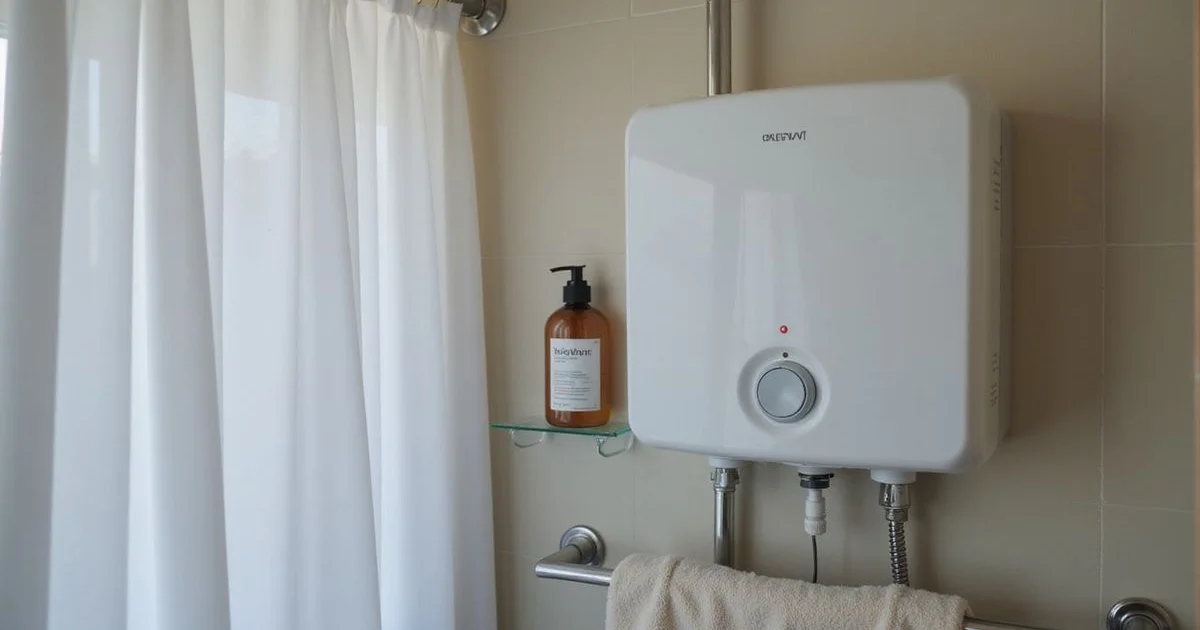
Most Malaysian homes use one of two types of electric water heater. An instant heater heats water as it flows through, only while a hot tap or shower is on. A storage heater heats a tank of water and keeps it ready to use.
Both work well in the right home. The wrong choice means lukewarm showers, long waits or running out of hot water.
We’ve put this instant vs storage water heater guide together for Klang Valley homes, with landed house owners and weak upstairs pressure in mind. A storage heater in Malaysia is often the safer pick when pressure is poor. Instant heaters win on space and simplicity.
It’s part of our Water Heaters section. Below, we compare the two on flow, space, safety, cost and running habits, then match each to a type of home.
The quick comparison
| Factor | Instant water heater | Storage water heater |
|---|---|---|
| How it heats | As water flows through | Heats and stores a tank |
| Hot water supply | Unlimited, but limited flow | Limited to tank size, then reheats |
| Pressure needs | Needs steady flow to work well | Less sensitive to low flow |
| Simultaneous use | Best for one outlet at a time | Can serve several outlets |
| Space | Compact, wall-mounted in the shower | Larger tank, needs wall or ceiling space |
| Waiting time | Hot almost straight away | Hot straight away if tank is heated |
| Typical use | Single bathrooms, condos | Larger families, rain showers, several bathrooms on one heater |
| Heat loss | No standing loss | Some heat lost from the tank over time |
Flow and pressure
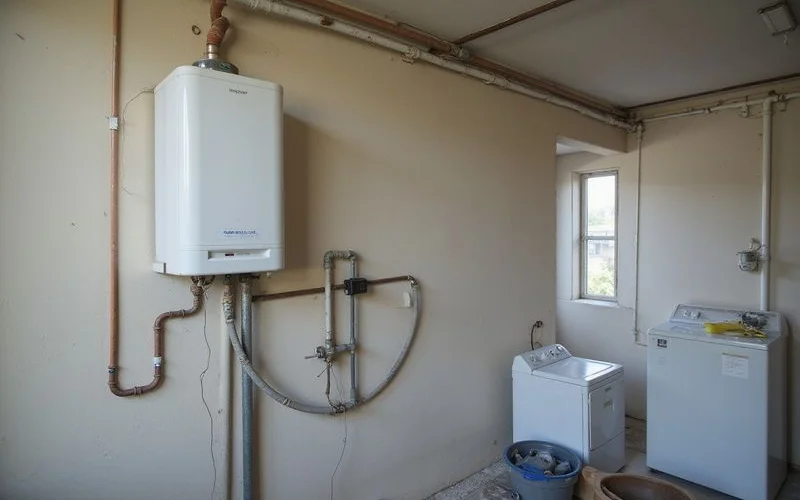
Flow and pressure are the biggest deciding factor. An instant heater only heats when enough water passes through it, so weak flow can leave it switched off or give you lukewarm water. Rain showers and multiple shower heads need even more flow than a standard shower.
Malaysian retailer buying guides often put high-rise condo pressure at roughly 0.5 to 1.5 bar from the rooftop tank. Landed homes on a direct mains feed can see 2 to 3 bar. Some guides suggest a model with a built-in pump once pressure drops below about 1 bar, so check the minimum on the spec sheet.
Before choosing an instant heater, check:
- Is the pressure in that bathroom good?
- Is the bathroom upstairs in a landed house fed by gravity from a roof tank? Pressure there may be weak.
- Do you want a large rain shower?
A storage heater is less fussy about flow, because it isn’t trying to heat water on the move. Our Water Pressure section explains how to check your pressure.
Number of bathrooms and simultaneous use
One heater per bathroom is the simplest setup. One heater for the whole house needs a tank sized to match.
- One bathroom, one shower at a time: an instant heater in the bathroom usually works well.
- Several bathrooms with their own heaters: instant heaters in each bathroom are common.
- Several hot taps used at once from one heater, such as two showers and a kitchen tap: a storage heater sized for the household is often better.
- Bathtub: a storage heater is usually needed to fill a bath with hot water.
Tank size matters here. Malaysian buying guides typically list household storage heaters at around 25 to 80 litres. Pick the size by how many people shower back to back, not by the cheapest tank.
Space and mounting
Space often decides the matter in a small bathroom. Instant heaters are compact and mount on the shower wall. Storage heaters are larger and heavy when full.
A storage tank needs a strong wall or ceiling. It also needs room for safe access to its valves. In smaller condo bathrooms, this alone can rule it out.
Booster pumps and heaters
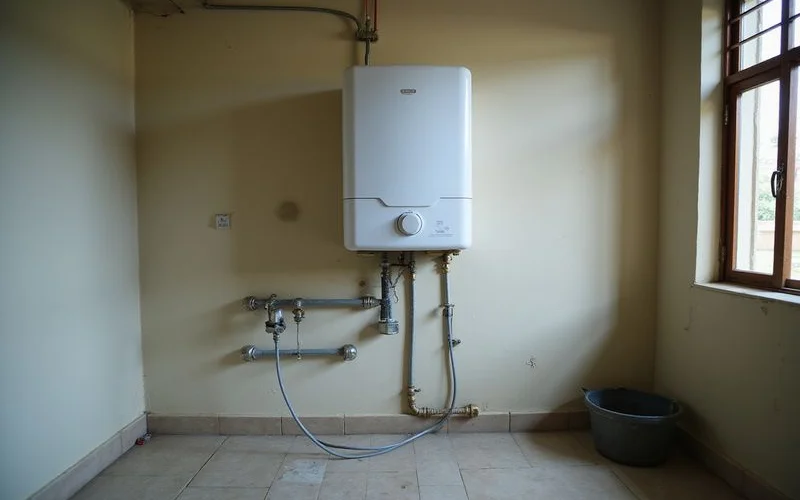
A booster pump can help an instant heater work in a landed house with weak upstairs pressure. It improves flow to the shower and heater. But it also adds pressure to the heater and its joints, so the system needs to be set up properly.
Our Water Pumps section explains booster pumps in more detail. Some instant heaters come with a built-in pump, which saves you fitting a separate one.
Safety and approvals
Safety checks are the same for both types. Water and electricity share a small space, so don’t skip any of them.
- Buy a SIRIM-approved product. Look for the SIRIM label. Electrical equipment safety is regulated by Suruhanjaya Tenaga (the Energy Commission), which requires a Certificate of Approval before these products can be sold.
- Use an ELCB or RCCB. The heater’s circuit must be protected by an earth leakage device.
- Use a qualified person for the wiring, and a plumber for the pipe connections.
- Storage heaters need a working pressure relief valve. Don’t block or cap it.
Cost factors
We don’t quote market averages in this handbook. These are the things that move the price:
- The heater itself, which varies widely by brand, size and features
- Whether a new circuit or wiring is needed
- Pipe work, especially for storage heaters serving several outlets
- Mounting, such as a strong bracket or ceiling platform for a storage tank
- Removing an old heater
Partner price for reference: KL1 Plumber publishes a price “from RM180” to install an instant water heater, read from its price list on 15 November 2026. That is a starting price for installation, not the cost of the heater itself.
Energy use in everyday terms
Both types use electricity, and the bill depends mostly on how much hot water you use and how hot you set it. The difference is in the pattern of use.
- Instant heaters draw a lot of power for a short time, only while hot water runs. Malaysian buying guides list a typical unit at around 3.6kW, so shorter showers do save energy.
- Storage heaters keep a tank warm, so some heat is lost even when nobody is using hot water. A timer, or switching the heater on only before it’s needed, reduces that.
- Long pipe runs from a central heater waste heat and water while you wait for hot water to arrive.
- Temperature settings matter. Water hotter than you need wastes energy and raises the risk of scalding.
Questions to ask before you buy
Ask these at the shop or when you get a quote. The answers will save you a return trip.
- What minimum water flow does this instant heater need to work?
- Does it carry the SIRIM label?
- What size of circuit and breaker does it need, and does my existing wiring suit it?
- For a storage heater, what is the tank capacity, and can my wall or ceiling take its weight when full?
- What does the warranty cover, and for how long?
- Does the price include installation, or is that separate?
Which suits your home?
| Your home | Usually suits |
|---|---|
| Condo with one or two bathrooms, good pressure | Instant heater per bathroom |
| Landed house, upstairs bathroom with weak gravity pressure | Storage heater, or instant heater with a booster pump |
| Large family, showers at the same time | Storage heater sized for the household |
| Rain shower | Storage heater, or a strong supply with a suitable instant heater |
| Bathtub | Storage heater |
| Limited wall space | Instant heater |
Landed house and condo notes
Landed house. You can choose freely, but check pressure upstairs and the wall’s strength for a storage tank. If the roof tank feeds your shower by gravity, test the flow before you buy anything.
Condo unit. If you’re wondering which water heater for a condo, an instant heater per bathroom is the usual answer. Check house rules before replacing or adding one, especially if it needs new wiring or a change to the pipes. Pressure in the building may limit what works well.
When to call a plumber
Call a plumber to check your water pressure and pipe layout before you buy, and to fit the pipes for the new heater. A qualified electrician should handle the wiring and circuit.
Whichever side of the instant vs storage water heater choice you land on, get the pressure checked first. It’s the one step that saves the most regret. If you’re replacing an old heater, read Repair or Replace a Water Heater? first.