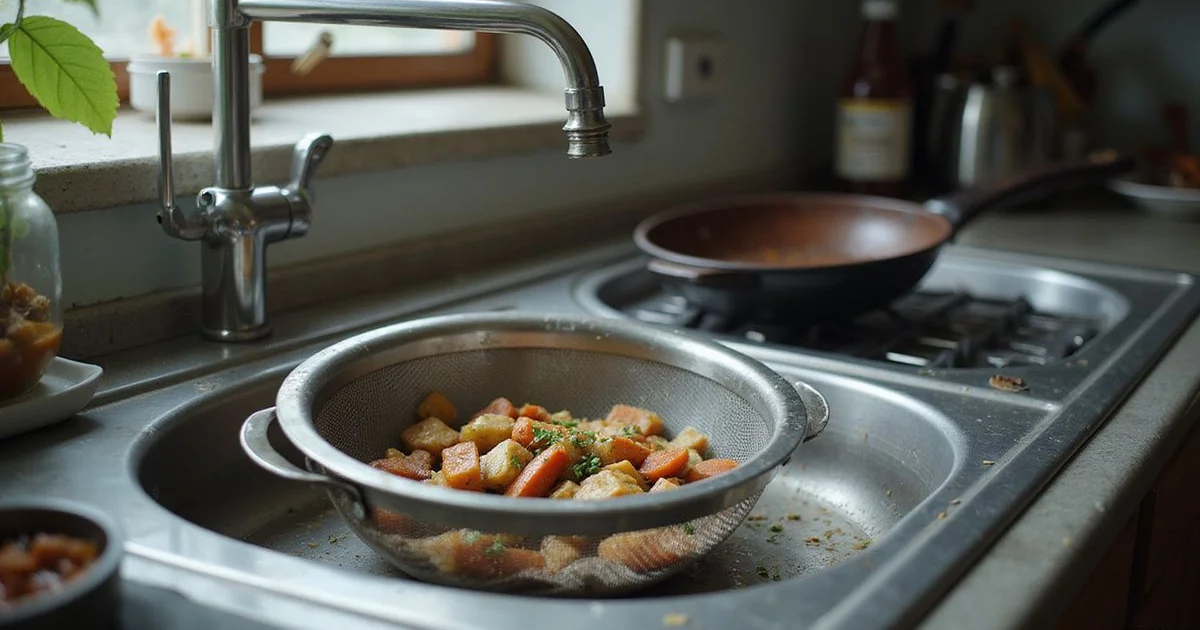
Most blockages are built up slowly
You know how a drain seems to block “suddenly”? It rarely does. Grease, hair, soap, food scraps and silt build up inside the pipe for weeks or months.
By the time your sink drains slowly, the pipe has been narrowing for a while. The good news is that a few small habits help you prevent blocked drains in most homes.
We’ll cover what to keep out of your drains, the simple tools that help, and a routine you can stick to. If a drain is already misbehaving, start with our Blocked Drains and Sinks section.
Kitchen: grease is the main enemy
Grease is the top cause of blocked kitchen sinks, so keep it out of the pipe. Cooking oil and fat are liquid when hot and solid when cool. Poured down the sink, they cool inside the pipe and stick to the walls.
Food scraps and soap then stick to the grease. Indah Water Konsortium (IWK) has long pointed to grease as a leading reason sewer pipes overflow. In Malaysian kitchens that cook with plenty of oil, kitchen grease in the drain is the most common cause we see.
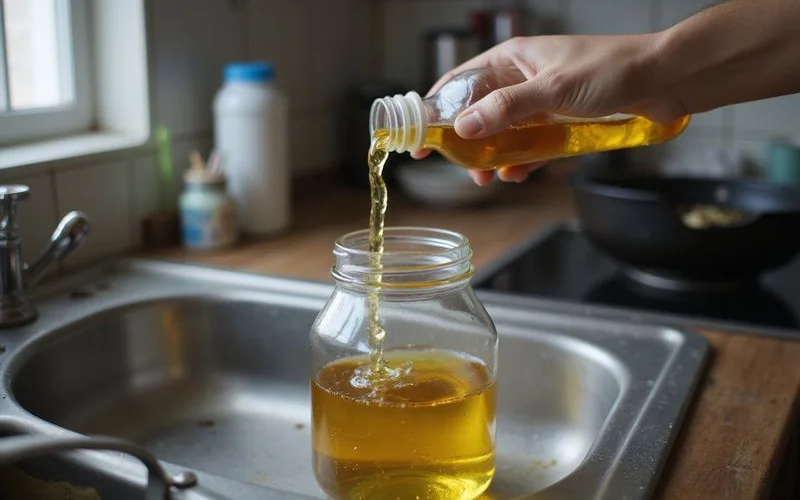
Habits that help:
- Wipe pans and plates with kitchen paper before washing. Put the paper in the bin.
- Collect used oil in an old bottle or tin with a lid, and bin it once full. Better still, drop it at a collection point. PETRONAS Dagangan had expanded its used cooking oil collection to 100 stations by June 2026.
- Scrape food scraps into the bin, not the sink.
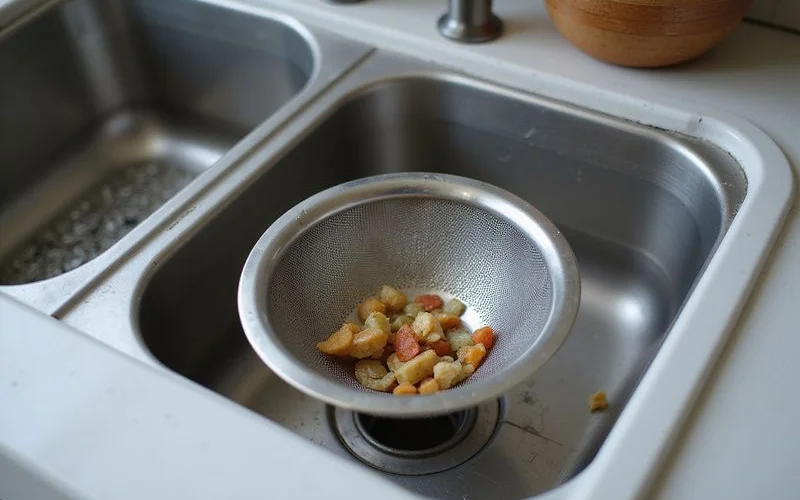
- Use a sink strainer to catch rice, vegetable pieces and bones.
- Run hot water after washing greasy dishes, as a habit rather than a cure.
Grease traps
A grease trap is a small box that separates grease from water before it reaches the drain. A grease trap at home makes sense if you fry often. Malaysian eateries must install and service one to renew their business licences, and that rule exists because grease causes so many sewer blockages.
At home, the trap needs regular cleaning. Otherwise it fills up, smells and blocks. If you have one, put it on your monthly list.
Bathroom: hair and soap
Hair is the main cause of blocked showers and floor traps. It catches on the trap and builds a mat with soap scum.
- Fit hair catchers over shower drains and floor traps.
- Lift floor trap covers and clear hair every week or two.
- Rinse basins after shaving, brushing and washing hair.
- Do not wash paint, plaster or tile grout down any drain. They set hard.
For toilets, the rules are different. Our guide on what not to flush covers wet wipes, pads and tissue. IWK has warned that wipes, diapers, sanitary pads and even clothing can clog sewer pipelines.
What not to pour down any drain
Four things cause most of the damage: oil, rice, coffee grounds and anything that sets hard. The table below shows what to keep out and why.
| Do not pour | Why |
|---|---|
| Cooking oil and fat | Sets in the pipe and traps other waste |
| Coffee grounds | Clump together and settle in traps |
| Rice and starchy food | Swells and sticks |
| Paint, plaster, cement, grout | Sets hard inside the pipe |
| Strong chemicals and solvents | Damage pipes, seals and the sewer system |
| Medicines | Harm the water system |
Tenants and guests
Many blockages in rented homes come from people who don’t know the house rules. A short note near the kitchen sink and in each bathroom fixes most of it.
- No oil in the sink
- Scraps in the bin
- Nothing but toilet paper in the toilet
Landlords can add the same points to the house rules in the tenancy agreement. It also reduces arguments later about who caused a blockage.
Outdoor drains
Keep outdoor drains clear of leaves and silt, especially before heavy rain. In landed houses, this is your job, not the council’s, once the drain is inside your boundary.
Check where each roof downpipe empties too. Our guide to an outdoor drain overflowing after rain covers this.
A simple check schedule
Follow this schedule and most problems get caught while they’re still small.
| How often | What to do |
|---|---|
| Daily | Wipe greasy pans, use the sink strainer |
| Weekly | Clear hair from shower drains and floor trap covers |
| Every two weeks | Pour water into floor traps in unused rooms |
| Monthly | Clean the grease trap if you have one; flush kitchen sink with hot water |
| Before heavy rain | Clear gutters and outdoor drains |
| Yearly | Check all traps, look at outdoor inspection chambers |
Notice early warning signs
Slow drainage is the first sign of a coming blockage. Act when you notice any of these:
- A sink or shower that drains more slowly than usual
- Gurgling from a drain or floor trap
- A smell that comes back after cleaning
- Water pooling around a floor trap after a shower
At that stage, cleaning the trap and using a plunger often solves it. Leave it, and the next stage is a full blockage. Our comparison of drain chemicals, plungers, drain snakes and hydro jetting explains what to use when.
Landed house and condo notes
Where you live decides who fixes the problem, so know which one applies to you.
Landed house. You are responsible for drains inside your boundary, so a yearly look in the inspection chambers is worthwhile. Silt and roots can build up there, and a quick check costs far less than clearing a backed-up line.
Condo unit. What goes down your drain ends up in a shared stack. Grease and wipes from one unit can block the stack for everyone below. Good habits help your neighbours too.
When to call a plumber
Call a plumber if a drain stays slow after you have cleaned the trap and used a plunger. The same goes if more than one fixture is affected, or if water backs up through a floor trap.
A plumber can clear deeper build-up that household tools cannot reach. They can also tell you if a pipe has a sag or damage that keeps catching waste.
If you want to prevent blocked drains from coming back, ask for a drain check at the same visit. Then use the schedule above to keep the pipes clear.